Nematocampa resistaria
(Herrich-Schäffer, [1856])
Horned Spanworm Moth, Filament Bearer, Bordered Thorn
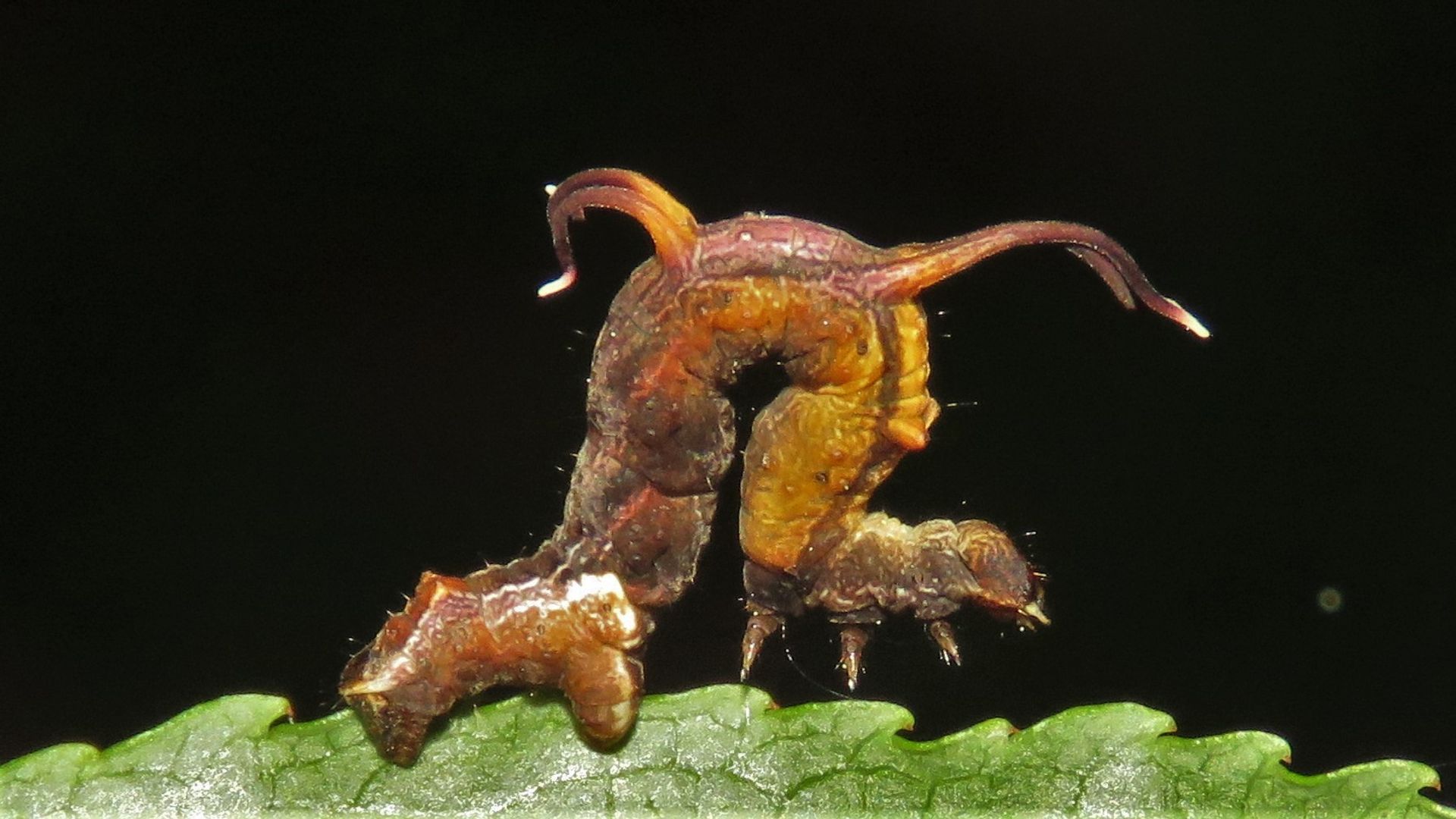
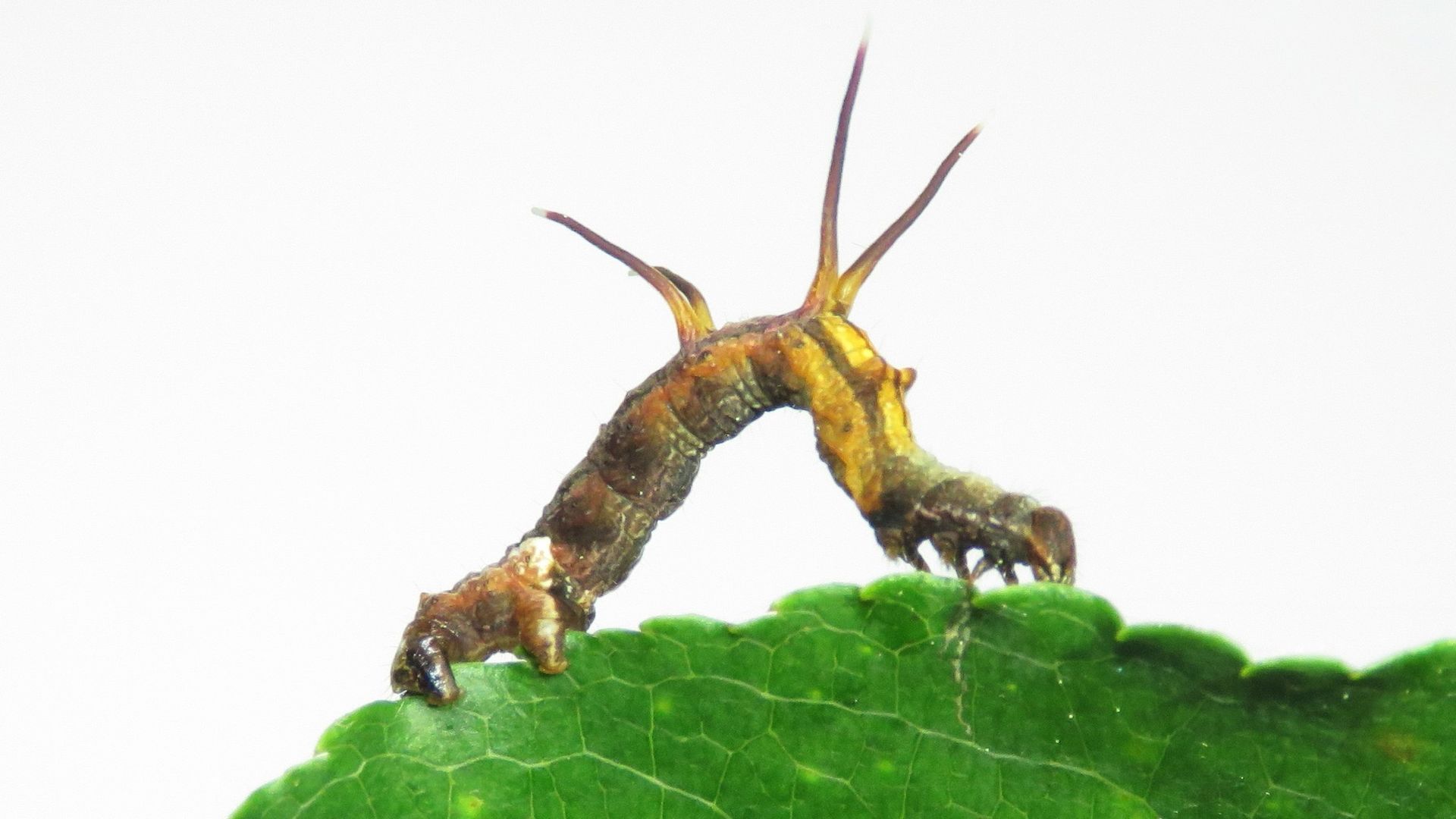
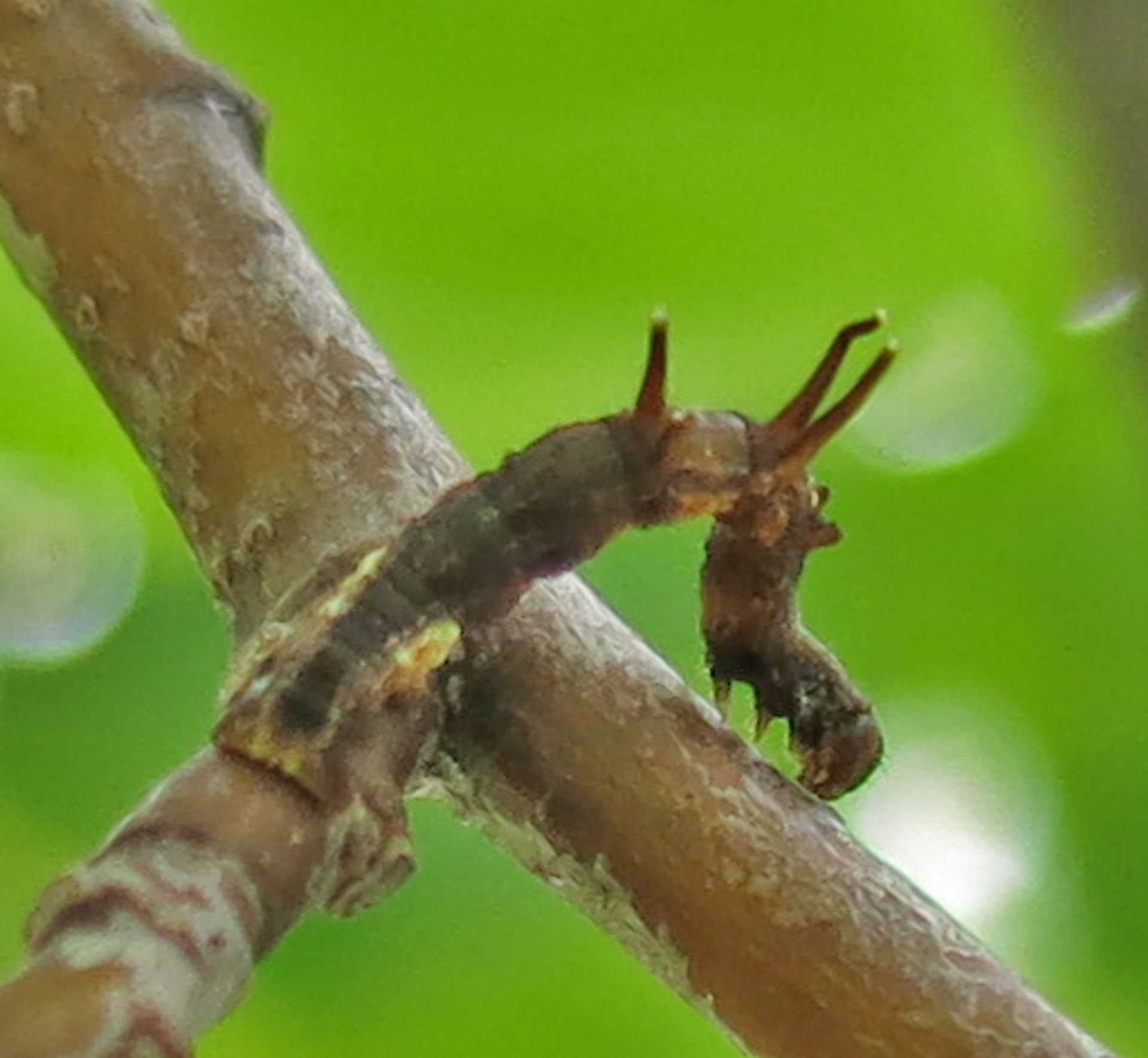
Nematocampa resistaria is a small geometrid native to North America, commonly known as the horned spanworm moth. have a wingspan of 19–25 mm and are active from spring through summer, with timing varying by latitude. The was split from the Eurasian Nematocampa limbata and is now recognized as distinct. Its larvae are notable for possessing paired horn-like filaments.
Pronunciation
How to pronounce Nematocampa resistaria: /nɛmətoʊˈkæmpə rɛzɪˈstɛriə/
These audio files are automatically generated. While they are not always 100% accurate, they are a good starting point.
Identification
are small geometrid moths with wingspan 19–25 mm. Larvae are distinguished by paired, elongated horn-like filaments arising from the body—this trait gives the its . The species can be separated from the Eurasian Nematocampa limbata by geographic range; N. resistaria occurs only in North America.
Images
Distribution
North America: British Columbia to Nova Scotia, south to Florida and California. Present in Alberta, Manitoba, and Saskatchewan in Canada; Vermont in the United States.
Seasonality
active from May to August in northern range; from April to August in the southern United States. One per year in the north; two generations in middle states; multiple generations in the southern part of the range.
Diet
Larvae feed on various deciduous and coniferous trees and shrubs, including Pseudotsuga, Tsuga, Abies, Picea, Salix, Betula papyrifera, Corylus, Fragaria, and Daucus (carrot).
Life Cycle
Multivoltine with number varying by latitude: in northern range, in middle states, and multiple generations in the south.
Ecological Role
Larval herbivore on both coniferous and deciduous woody plants and some herbaceous .
Similar Taxa
- Nematocampa limbataEurasian from which N. resistaria was split; distinguished by geographic range