
Parapheromia
McDunnough, 1920
Species Guides
5Parapheromia is a of in the Geometridae, first described by James Halliday McDunnough in 1920. The genus contains five described : P. cassinoi, P. falsata, P. configurata, P. lichenaria, and P. ficta. It is classified within the Ennominae, a diverse group of geometrid moths often associated with woody vegetation.
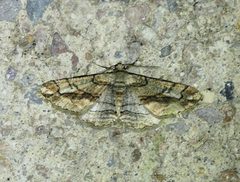
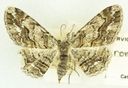
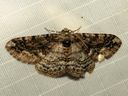
Pronunciation
How to pronounce Parapheromia: /ˌpɛərəfəˈroʊmiə/
These audio files are automatically generated. While they are not always 100% accurate, they are a good starting point.
Identification
Members of Parapheromia can be distinguished from related by genitalic characters and wing pattern details, though specific diagnostic features require expert examination. The genus name suggests similarity to the genus Pheromia, from which it can be separated by structural differences in the male genitalia and wing venation.
Images
Similar Taxa
- PheromiaSimilar name and general ; Parapheromia was established as a distinct genus based on differences in male genitalia and wing venation patterns.
- Other Ennominae generaMany Ennominae share similar wing patterns and body forms; definitive identification of Parapheromia requires examination of genitalic structures.
More Details
Taxonomic History
The was erected by Canadian entomologist James Halliday McDunnough in 1920 to accommodate previously placed in related genera. The name Parapheromia reflects its perceived relationship to Pheromia.
Species Composition
The currently includes five : Parapheromia cassinoi, P. falsata, P. configurata, P. lichenaria, and P. ficta. These species appear to be primarily North American in distribution based on available records.