
Orthofidonia
Packard, 1876
Species Guides
3- Orthofidonia exornata
- Orthofidonia flavivenata(Yellow-veined Geometer Moth)
- Orthofidonia tinctaria(Marbled Wave)
Orthofidonia is a of in the Geometridae, established by Packard in 1876. The genus contains three described found in North America. Members are classified within the Ennominae, a diverse group of geometrid moths often characterized by their slender bodies and cryptic coloration.
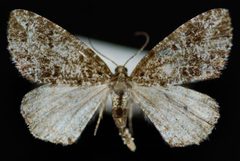
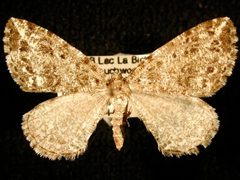
Pronunciation
How to pronounce Orthofidonia: //ˌɔːr.θoʊ.fɪˈdoʊ.ni.ə//
These audio files are automatically generated. While they are not always 100% accurate, they are a good starting point.
Identification
Distinguishing Orthofidonia from related geometrid requires examination of genitalic structures and wing pattern details. The three described —O. tinctaria, O. exornata, and O. flavivenata—exhibit subtle differences in wing coloration and pattern that may aid in identification. Specific diagnostic characters for the genus itself are not well documented in available sources.
Images
Distribution
Recorded from the northeastern United States, specifically Vermont and surrounding regions. Distribution records are sparse and likely incomplete.
Similar Taxa
- FidoniaSimilar name and classification within Geometridae; Orthofidonia was historically separated from or related to Fidonia, though precise distinguishing features require examination
- Other Ennominae generaMany geometrid moths in this share general body plan and wing shape; accurate separation often requires dissection and reference to original descriptions
More Details
Species composition
The contains three recognized : Orthofidonia tinctaria (Walker, 1860), Orthofidonia exornata (Walker, 1862), and Orthofidonia flavivenata (Hulst, 1898). All three were originally described in other genera and later transferred to Orthofidonia.
Taxonomic history
Packard established this in 1876. The original circumscription and subsequent taxonomic revisions are not well documented in readily available literature.