
Selenia kentaria
(Grote & Robinson, 1867)
Kent's Geometer Moth, Kent's thorn, Kent's geometer
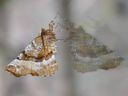
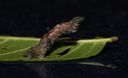
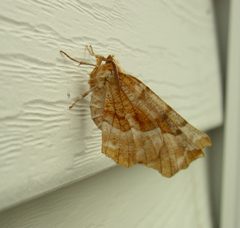
Selenia kentaria is a geometrid native to eastern and central North America. are active from March through August and possess wingspans of 32–52 mm. The exhibits remarkable : adults mimic wilted leaves, while larvae resemble twigs. Larvae feed on several hardwood tree including Betula and Prunus.
Pronunciation
How to pronounce Selenia kentaria: /sɛˈliːniə sɛnˈtɑːriə/
These audio files are automatically generated. While they are not always 100% accurate, they are a good starting point.
Identification
can be distinguished from similar Selenia by their specific wing pattern and size range (32–52 mm wingspan). The leaf-mimicking appearance—resembling wilted leaves—serves as a key field characteristic. Larvae are twig mimics with cryptic coloration. Precise identification from may require examination of genitalia or detailed wing pattern analysis.
Images
Distribution
Eastern and central North America. Recorded from Canadian provinces including Alberta, Manitoba, and Saskatchewan, and throughout the United States including Vermont.
Seasonality
are on wing from March to August, indicating a spring-through-summer period.
Diet
Larvae feed on several hardwood trees, specifically including Betula (birch) and Prunus (cherry/plum). feeding habits are not documented.
Host Associations
- Betula - larval foodplanthardwood tree
- Prunus - larval foodplanthardwood tree
Behavior
exhibit leaf-mimicry , resembling wilted leaves. Larvae exhibit twig-mimicry, enhancing camouflage against .
Similar Taxa
- Other Selenia species share similar geometrid and leaf-mimicking adaptations; precise separation requires detailed examination
- Other Ennominae with leaf-mimicrySimilar strategies occur across multiple geometrid