Pubitelphusa
Lee & Brown, 2013
Species Guides
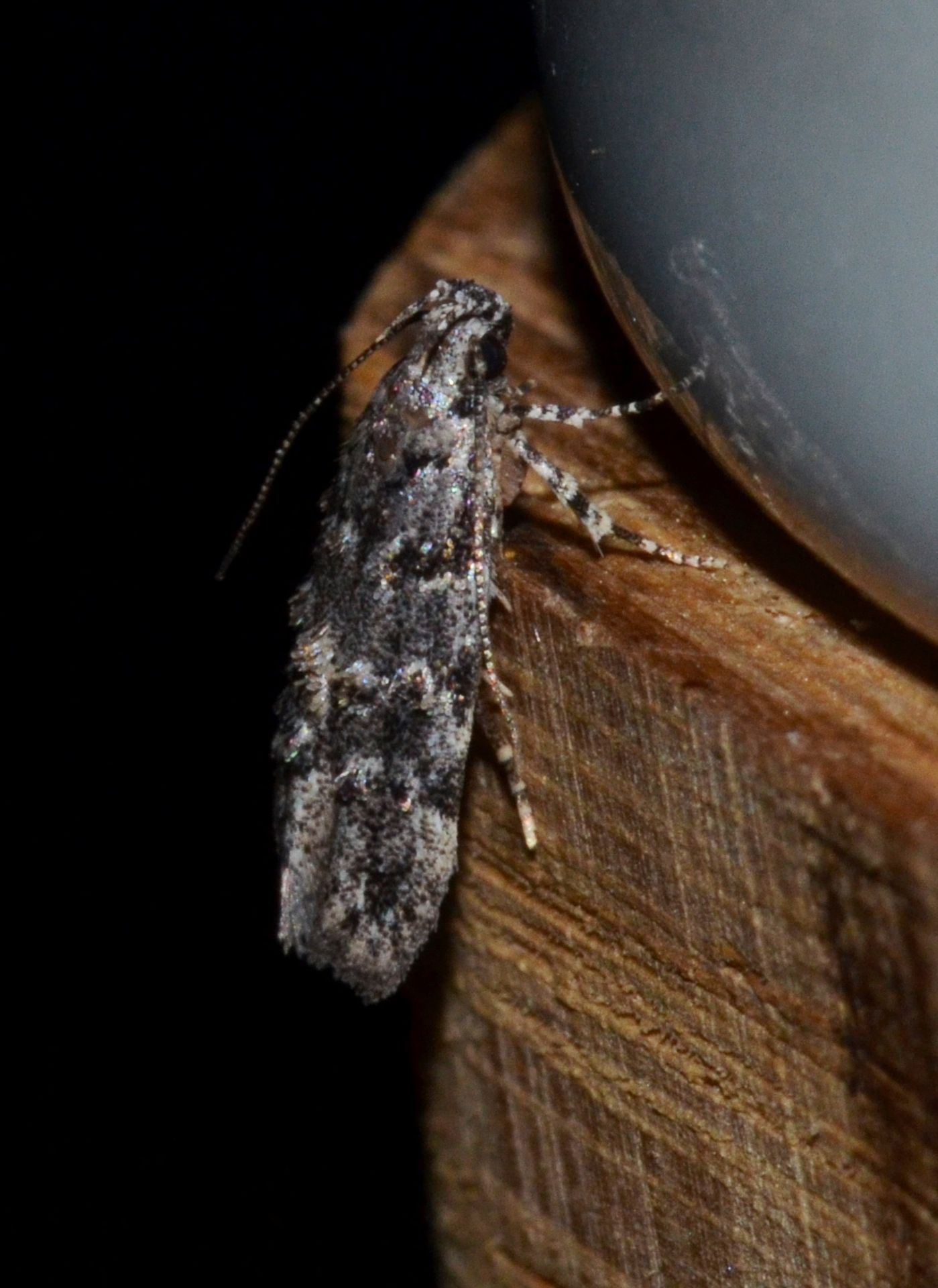
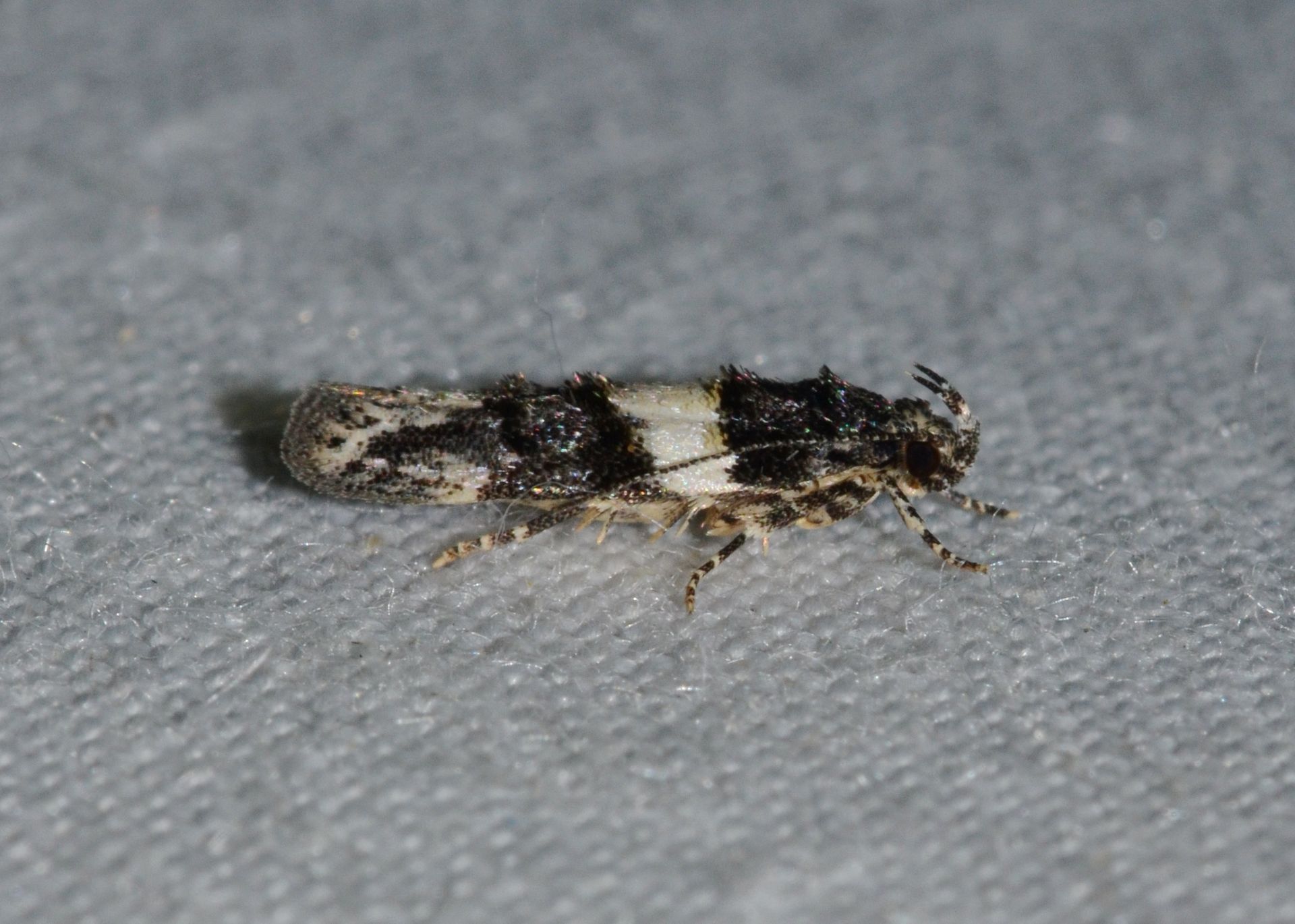
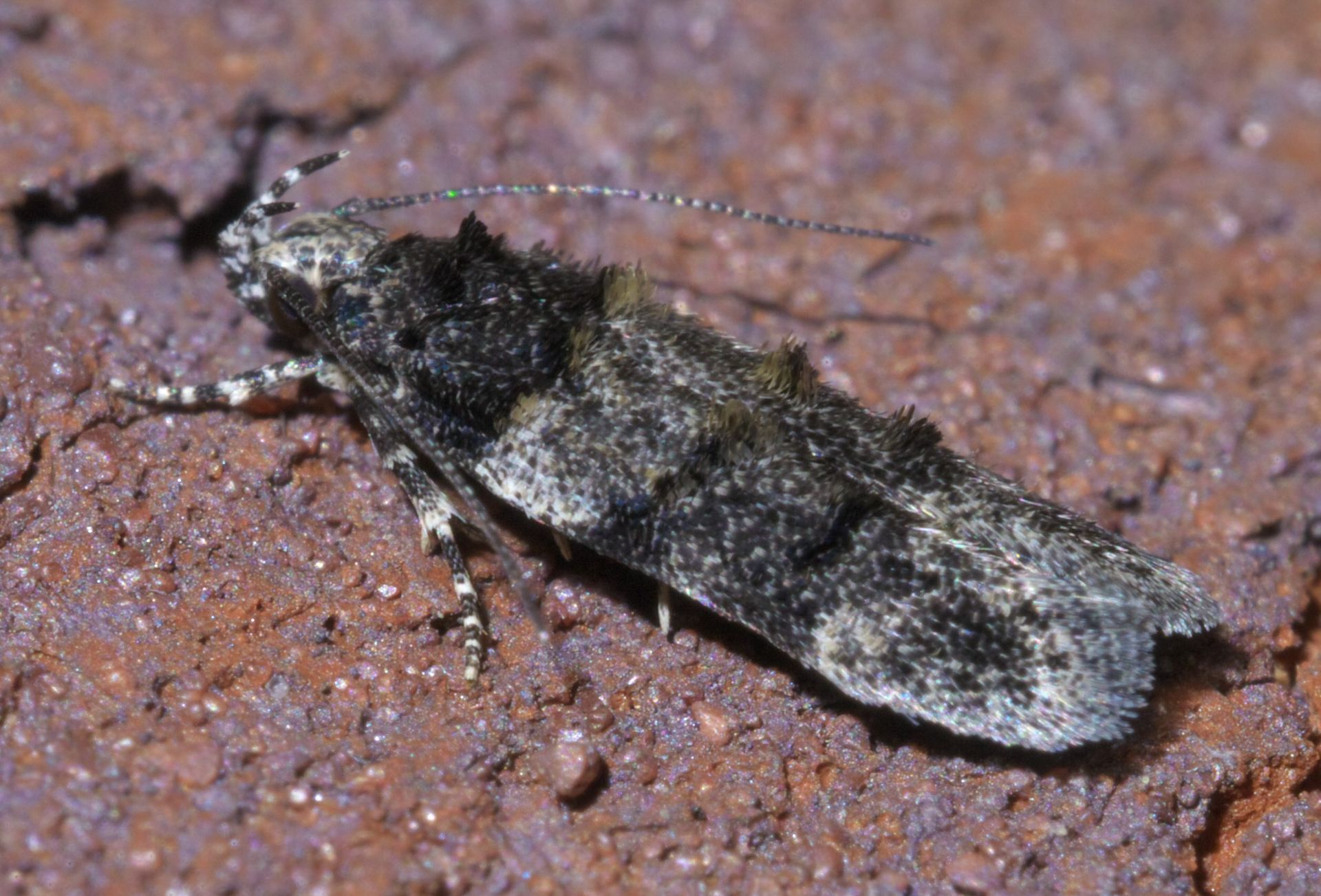
1- Pubitelphusa latifasciella(White-banded Telphusa Moth)
Pubitelphusa is a of in the Gelechiidae, established by Lee & Brown in 2013. The genus currently contains two described : Pubitelphusa latifasciella (described by Chambers in 1875) and Pubitelphusa trigonalis (described by Park & Ponomarenko in 2007). It belongs to the tribe Litini within the Gelechiinae. The genus is known from the United States, with records from Vermont.
Pronunciation
How to pronounce Pubitelphusa: //ˌpjubiˈtɛlfʊsa//
These audio files are automatically generated. While they are not always 100% accurate, they are a good starting point.
Identification
Pubitelphusa can be distinguished from related in the tribe Litini by genitalic characters, particularly features of the male valvae and female genitalia. The genus name references structural similarities to the related genus Telphusa combined with distinctive pubescent (hairy) characteristics. Specific external morphological traits for field identification are not well documented in available literature.
Images
Distribution
United States, with confirmed records from Vermont. The has also been recorded from the US broadly based on GBIF data. The type P. latifasciella was described from the United States, and P. trigonalis was described from Korea, suggesting a possible broader distribution or taxonomic issues requiring verification.
Similar Taxa
More Details
Taxonomic history
Pubitelphusa was erected as a new by Sangmi Lee and Richard L. Brown in 2013 to accommodate previously misplaced in other genera. The type species, P. latifasciella, was originally described as Gelechia latifasciella by Chambers in 1875. The second species, P. trigonalis, was described from Korea in 2007, though its placement in this primarily North American genus warrants further investigation.
Observation data
iNaturalist records indicate substantial observation activity (2,442 observations) for this , suggesting it may be more frequently encountered than the sparse formal literature suggests, though many of these may represent identification challenges or aggregated records.