Gelechia dyariella
Busck, 1903
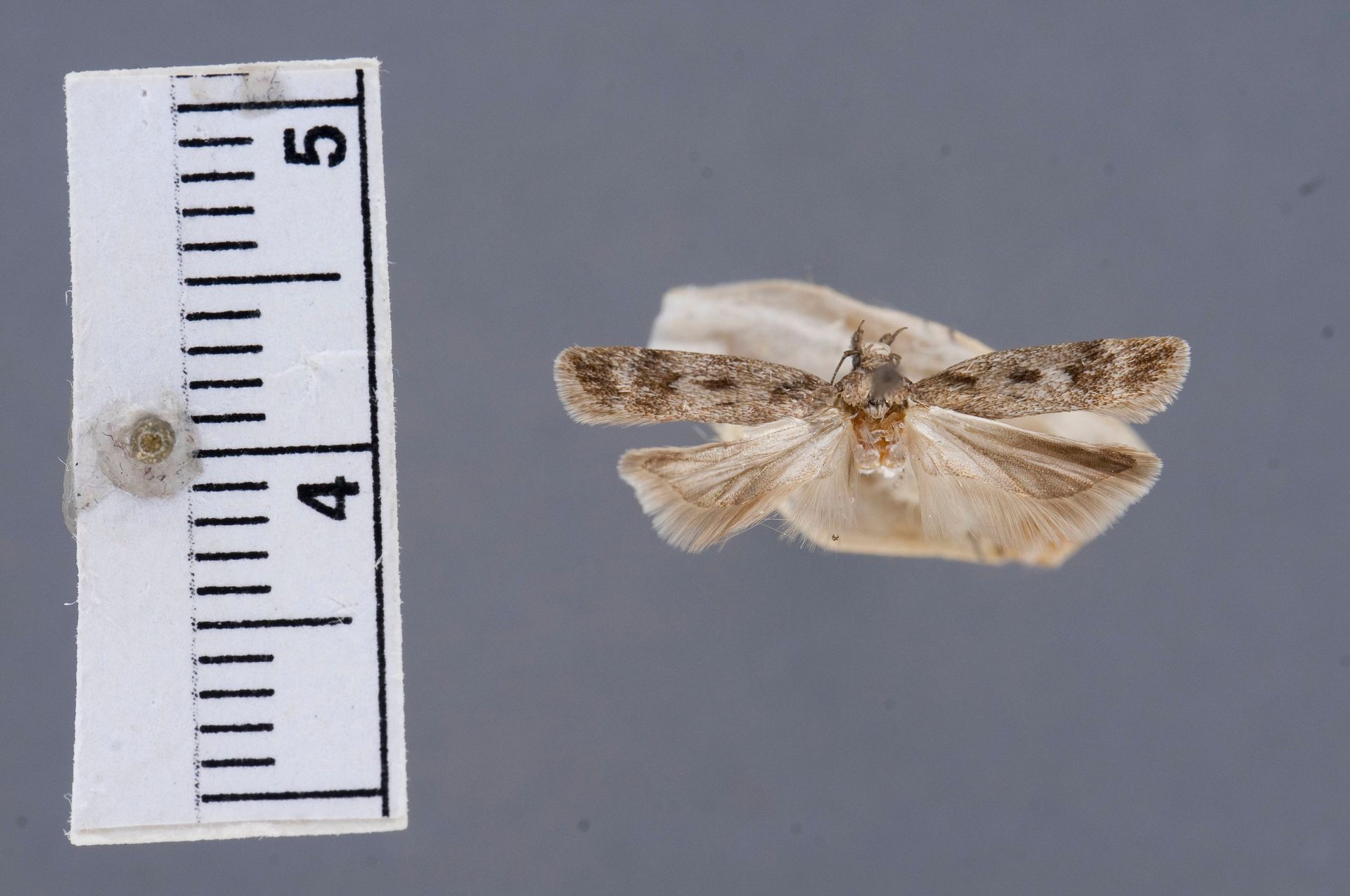
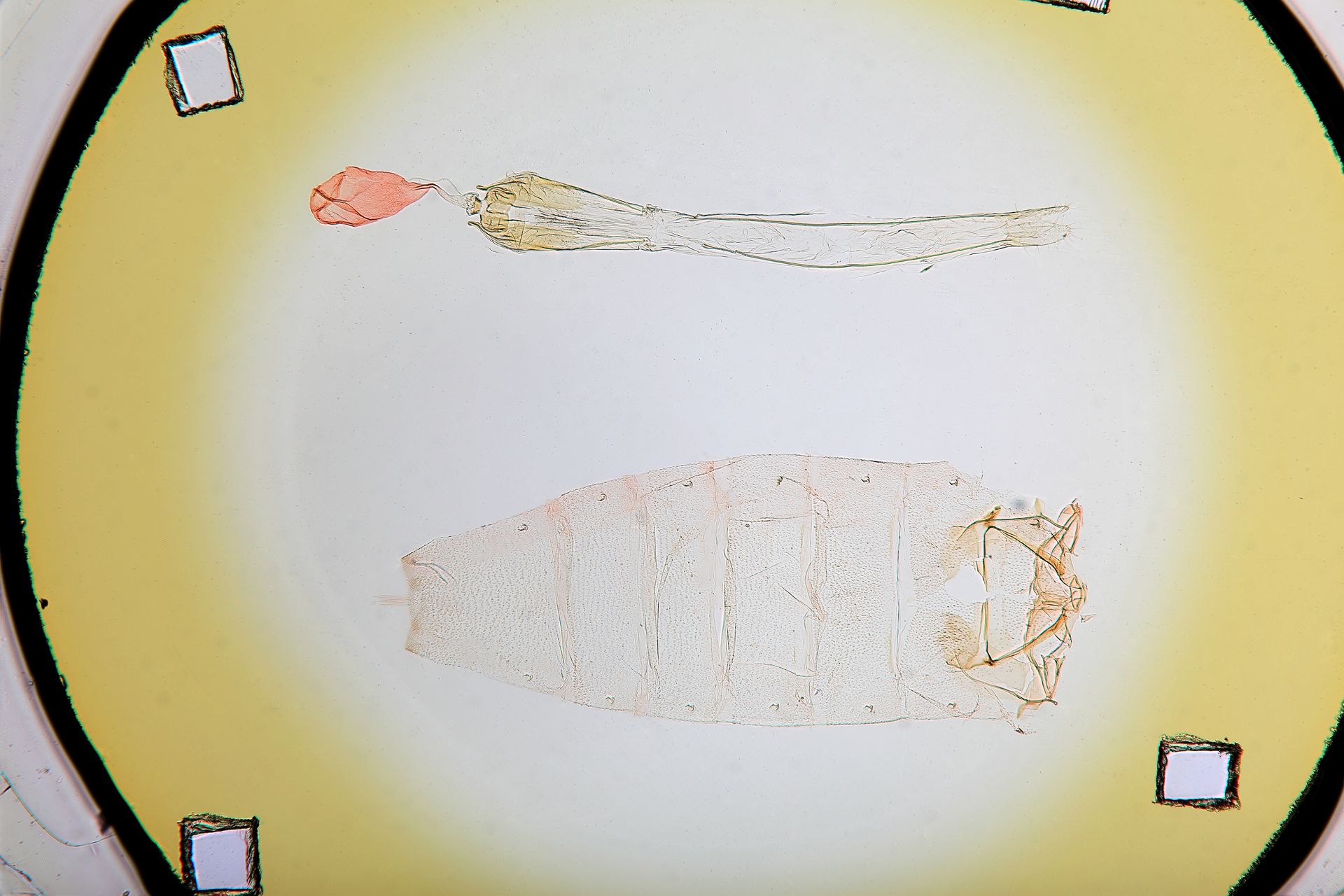
Gelechia dyariella is a small gelechiid described by Busck in 1903. have a wingspan of 14–18 mm and distinctive dark gray forewings with contrasting white markings. The is known from western and northern North America, with larvae that construct leaf shelters on Fremont cottonwood (Populus fremontii).
Pronunciation
How to pronounce Gelechia dyariella: /d͡ʒəˈlɛkiə daɪəˈriːɛlə/
These audio files are automatically generated. While they are not always 100% accurate, they are a good starting point.
Identification
Distinguished from similar Gelechia by the combination of dark gray forewing ground color with specific white markings: the white space following the black dot and the zigzag white fascia bordering the blackish area. The leaf-folding larval on Populus fremontii is also diagnostic.
Images
Habitat
Associated with riparian and wetland where the tree Populus fremontii (Fremont cottonwood) occurs. Found in areas from the southwestern United States through the northern Great Plains.
Distribution
North America: recorded from Alberta, California, Colorado, Maine, Manitoba, Montana, and Saskatchewan.
Diet
Larvae feed on Populus fremontii (Fremont cottonwood).
Host Associations
- Populus fremontii - larval plantFremont cottonwood
Life Cycle
Larval stage constructs shelters by folding young leaves of plant, uniting edges around the margin to form a bag or box structure.
Behavior
Larvae fold young cottonwood leaves to create protective shelters, binding the leaf edges together.
Similar Taxa
- Other Gelechia speciesMany Gelechia have similar size and wing patterns; G. dyariella is distinguished by its specific white marking pattern and association with Populus fremontii.
More Details
Etymology
Specific epithet dyariella likely honors Harrison G. Dyar (1866–1929), prominent American entomologist known for his work on Lepidoptera larvae.