Melanocinclis vibex
Hodges, 1978
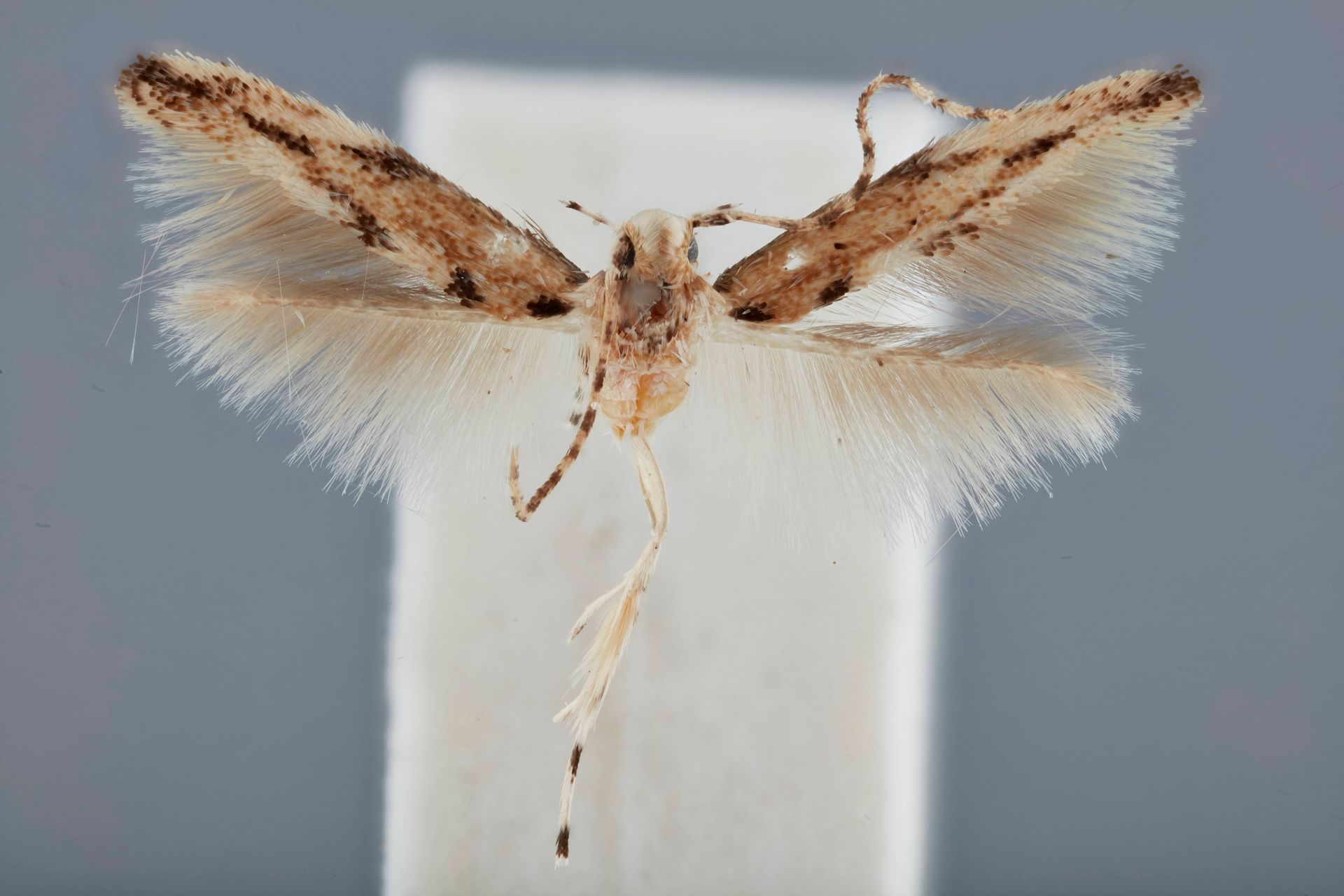
Melanocinclis vibex is a small in the Cosmopterigidae, first described by Hodges in 1978. It is known only from Florida in North America. have been recorded from May to July. The larvae possibly feed in the flowers of saw palmetto (Serenoa repens).
Pronunciation
How to pronounce Melanocinclis vibex: //ˌmɛlənəˈsɪŋklɪs ˈvaɪbɛks//
These audio files are automatically generated. While they are not always 100% accurate, they are a good starting point.
Identification
The small size (8 mm wingspan) and restricted Florida distribution may help distinguish this from other North American Cosmopterigidae. Specific diagnostic characters have not been published.
Images
Appearance
A small with a wingspan of approximately 8 mm. Detailed morphological descriptions of coloration and pattern are not available in published sources.
Habitat
Associated with supporting Serenoa repens (saw palmetto), suggesting scrub or palm-dominated in Florida.
Distribution
Known only from Florida, United States. No other confirmed records exist.
Seasonality
have been recorded on wing from May to July.
Diet
Larvae possibly feed in the flowers of Serenoa repens (saw palmetto).
Host Associations
- Serenoa repens - possible larval Based on tentative association; not confirmed
Similar Taxa
- Other Melanocinclis speciesCongeneric would require examination of genitalia and other subtle morphological characters for reliable separation.
- Other small CosmopterigidaeMany in this are similarly minute and require identification; geographic restriction to Florida is a useful clue.
More Details
Taxonomic note
Described by Ronald B. Hodges in 1978. The Melanocinclis is small and poorly known, with few published biological studies.
Data limitations
Only 3 observations recorded in iNaturalist as of source date. The remains poorly documented in both museum collections and field studies.