
Eralea albalineella
(Chambers, 1878)
Eralea albalineella is a small in the Cosmopterigidae, first described by Chambers in 1878. It occurs across the southern and eastern United States, from West Virginia and Florida to Texas and California. The has a wingspan of approximately 7 mm. are active during spring, summer, and autumn months.
Pronunciation
How to pronounce Eralea albalineella: /ɛˈreɪliə ælbəˈlaɪniˌɛlə/
These audio files are automatically generated. While they are not always 100% accurate, they are a good starting point.
Identification
The extremely small size (7 mm wingspan) and occurrence in the southern and eastern United States may help distinguish this from other Cosmopterigidae, though definitive identification likely requires examination of genitalia or other microscopic features not described in general sources.
Images
Appearance
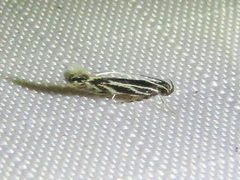
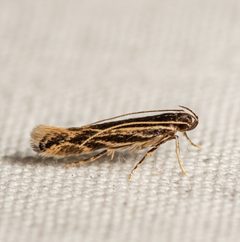
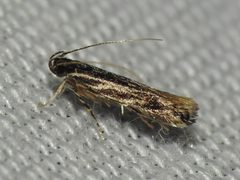
Small with a wingspan of approximately 7 mm. Specific coloration and pattern details are not documented in available sources.
Habitat
Specific preferences are not documented. Based on its geographic range, it occurs in diverse environments including temperate deciduous forests, coastal plains, and arid regions of the southwestern United States.
Distribution
Recorded from West Virginia, South Carolina, Louisiana, Florida, Texas, and California. The distribution spans the southeastern and south-central United States westward to California, suggesting broad adaptability across varied climatic zones.
Seasonality
have been recorded on wing from April to July, and again in September and November. This pattern indicates a spring-summer with possible autumn activity, though whether this represents one or multiple generations per year is unclear.
Life Cycle
Larval stage and details are unknown. The presence of across multiple months suggests at least one annually, possibly more.
Similar Taxa
- Other Eralea speciesCongeneric share small size and general Cosmopterigidae ; reliable separation requires detailed examination.
- Other CosmopterigidaeMany members of this are similarly minute with reduced wing patterns; geographic distribution and genitalia dissection are typically needed for identification.