
Coleophora tiliaefoliella
Kearfott, 1904
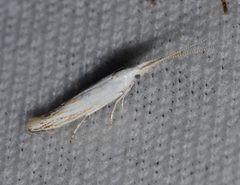
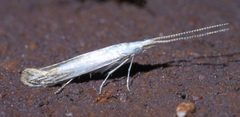
A case-bearing in the Coleophoridae. Larvae construct distinctive pistol-shaped cases from silk and plant material. The is associated with Tilia (basswood/linden) plants across parts of eastern North America.
Pronunciation
How to pronounce Coleophora tiliaefoliella: //ˌkoʊ.liˈɑː.fə.rə ˌtɪl.iˌeɪ.fɒl.iˈɛl.lə//
These audio files are automatically generated. While they are not always 100% accurate, they are a good starting point.
Identification
The pistol-shaped larval case is distinctive among Coleophora . are small, narrow-winged with reduced mouthparts typical of the . Specific adult diagnostic features are not well documented.
Images
Habitat
Associated with Tilia plants, which occur in deciduous forests and urban plantings.
Distribution
Eastern North America: recorded from Oklahoma, Pennsylvania, and Ontario.
Diet
Larvae feed on leaves of Tilia .
Host Associations
- Tilia - larval food plantSpecific Tilia not documented
Life Cycle
Larvae construct portable cases from silk and plant debris, typical of Coleophoridae. Case shape is described as pistol-like.
Behavior
Larval case-building involves constructing and carrying a portable shelter while feeding on leaves.
Ecological Role
Herbivore on Tilia; specific ecological impacts not documented.
Similar Taxa
- Other Coleophora speciesMany construct similar cases; plant association and case shape help distinguish C. tiliaefoliella
More Details
Authority discrepancy
Sources conflict on authorship: Kearfott, 1904 (GBIF, Catalogue of Life) versus Clemens, 1861 (NCBI). Kearfott, 1904 appears more widely cited in taxonomic databases.