
Coleophora limosipennella
(Duponchel, 1843)
dark elm case-bearer
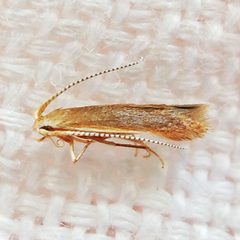
Coleophora limosipennella is a small case-bearing in the Coleophoridae, described by Duponchel in 1843. Native to Europe with a broad distribution from Fennoscandia to the Mediterranean and east to the Baltic States and Romania, it has been introduced to North America. The is strongly associated with elm (Ulmus) as a larval .
Pronunciation
How to pronounce Coleophora limosipennella: //kəˈliːəfərə laɪˌmoʊsɪˈpɛnɛlə//
These audio files are automatically generated. While they are not always 100% accurate, they are a good starting point.
Identification
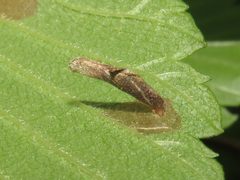
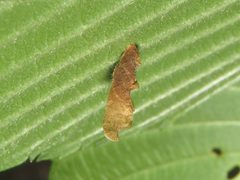
Distinguished from other Coleophora by association with Ulmus and the timing of larval development in early summer. Case structure and larval feeding signs on elm leaves may aid identification. Genitalia dissection is typically required for definitive species-level identification within Coleophoridae.
Images
Habitat
Associated with containing elm trees (Ulmus), including woodlands, hedgerows, parks, and urban areas where elms occur.
Distribution
Native to Europe: Fennoscandia south to Pyrenees, Italy, and Balkan Peninsula; west from Great Britain to Baltic States and Romania eastward. Introduced to North America (presence documented as non-native).
Seasonality
fly from June to July, with timing varying by location. Full-grown larvae occur June–July.
Diet
Larvae feed on Ulmus (elm). Supposed additional Alnus (alder) and Betula (birch) are reported but require confirmation.
Host Associations
- Ulmus - larval primary
- Alnus - supposed larval unconfirmed
- Betula - supposed larval unconfirmed
Life Cycle
Larvae feed within cases on leaves, with full-grown larvae present June–July. occurs within the case. emerge June–July. stage not explicitly documented in available sources.
Behavior
Larvae are case-bearers, constructing and carrying portable silk cases decorated with plant fragments. Case-bearing provides protection and camouflage during feeding.
Ecological Role
Herbivore on elm foliage; contributes to leaf damage in elm . Specific ecological impacts or interactions with other organisms not documented.
Human Relevance
Minor potential significance as a defoliator of ornamental and native elms. Introduced status in North America indicates human-mediated .
Similar Taxa
- Other Coleophora species on UlmusMany Coleophora share elm ; genitalia and case details are required for separation.
- Coleophora siccifoliaAlso associated with elm; distinguished by larval case structure and differences.
More Details
Nomenclatural note
Authorship sometimes cited as (Duponchel, 1842) in some sources; basionym Ornix limosipennella.
Introduction history
North American introduction likely associated with transport of elm material; establishment details not well documented.