Coleophora glaucella
Walsingham, 1882
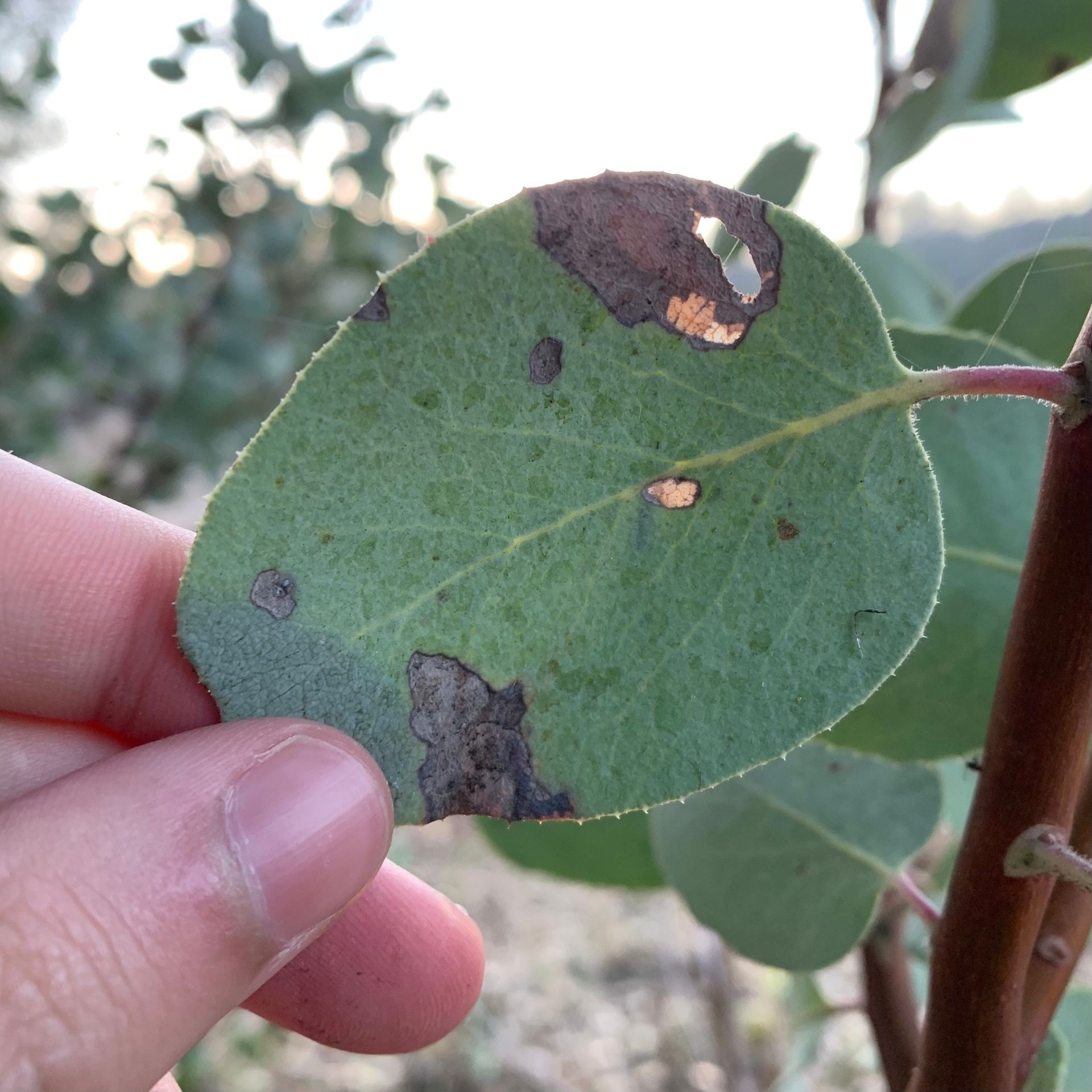
Coleophora glaucella is a small in the Coleophoridae, first described by Walsingham in 1882. It is known from California and elsewhere in the United States. The is associated with bigberry manzanita (Arctostaphylos glauca), on which its larvae feed and construct distinctive leaf cases.
Pronunciation
How to pronounce Coleophora glaucella: /koˈle.ɔ.fo.ra ɡlau̯ˈke.la/
These audio files are automatically generated. While they are not always 100% accurate, they are a good starting point.
Identification
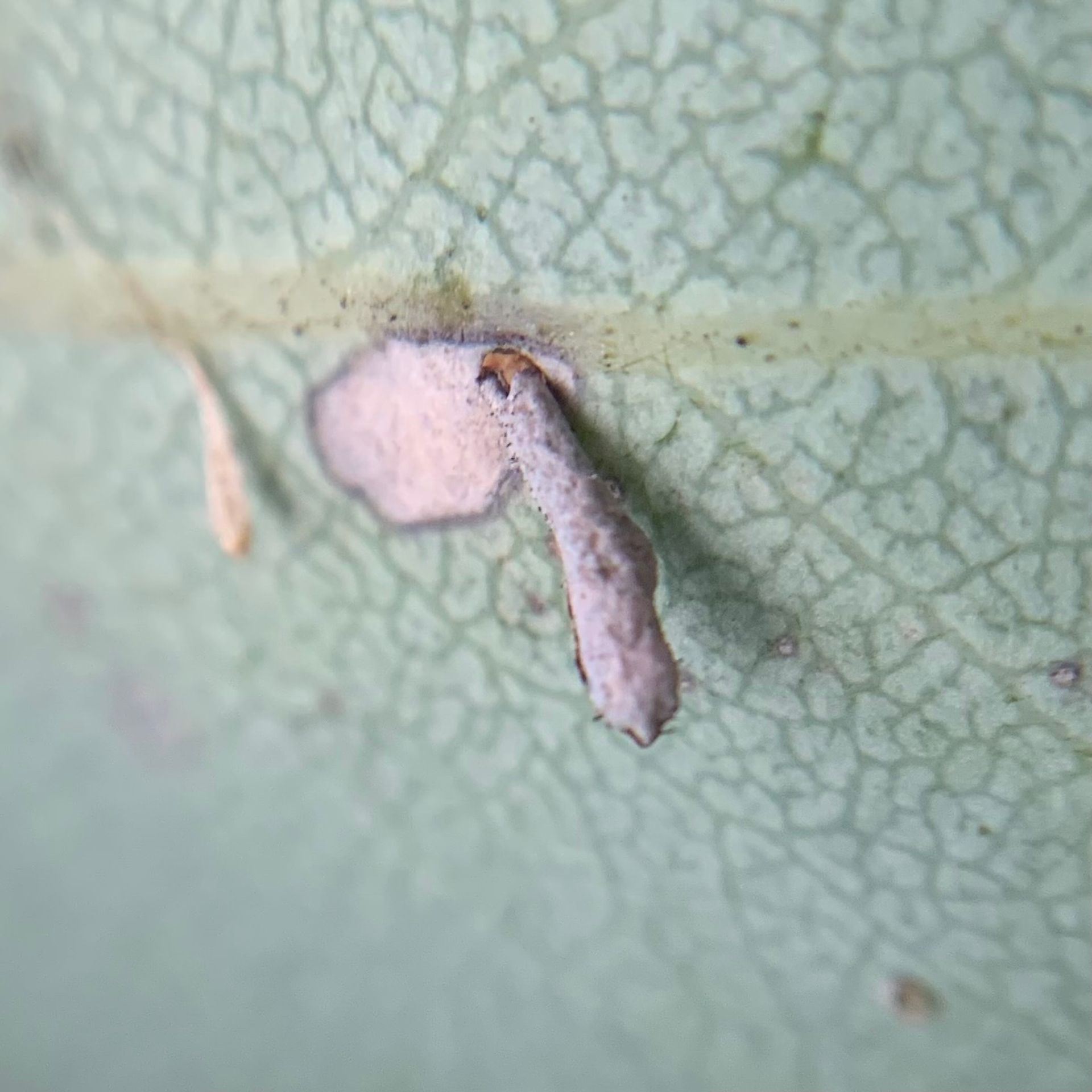
Larvae can be recognized by their spatulate (spoon-shaped) leaf cases constructed from plant material. identification requires examination of genitalia or close comparison with related Coleophora .
Images
Habitat
Associated with stands of Arctostaphylos glauca in chaparral and related shrubland .
Distribution
United States, with confirmed records from California.
Diet
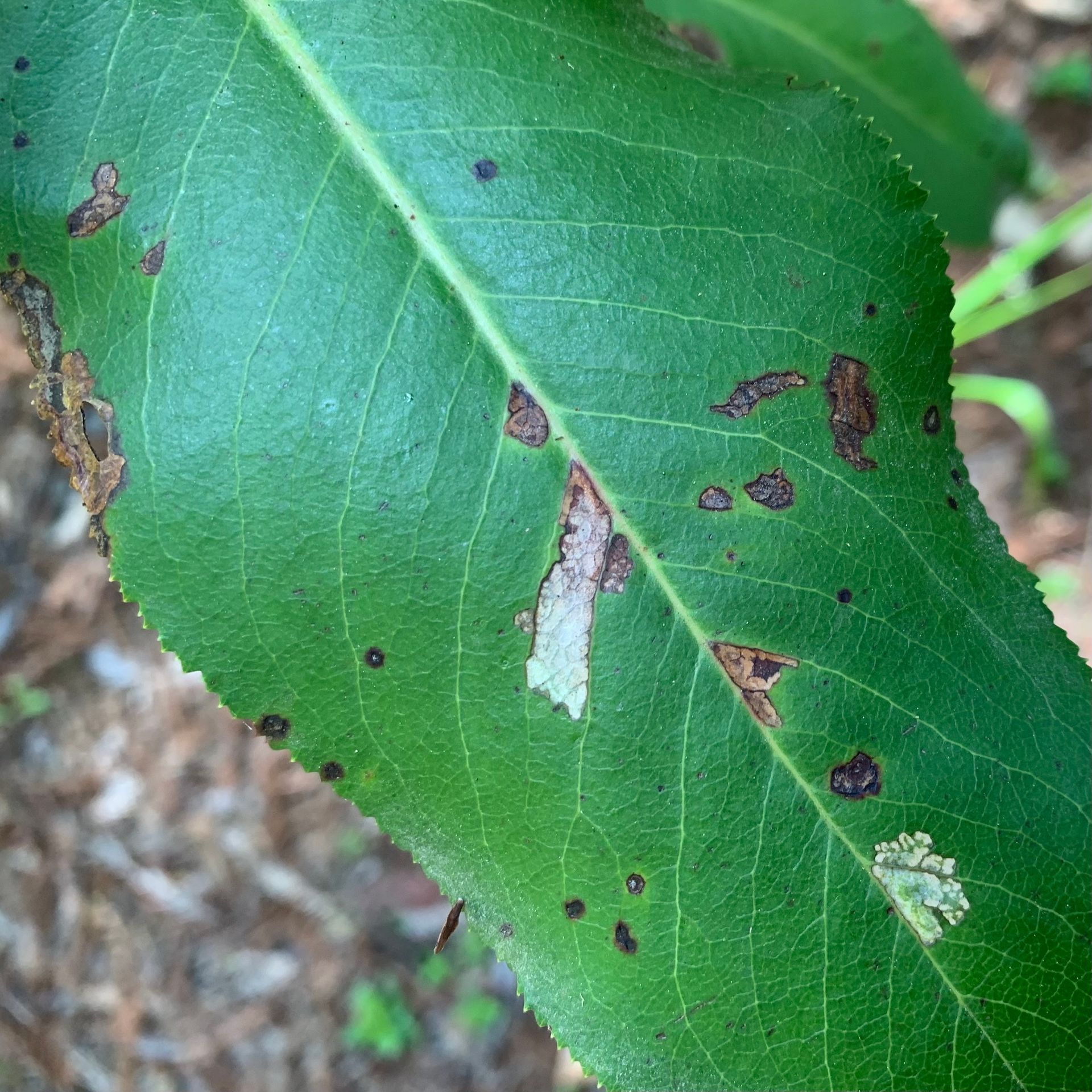
Larvae feed on leaves of Arctostaphylos glauca (bigberry manzanita).
Host Associations
- Arctostaphylos glauca - larval Leaves are consumed; larvae construct spatulate leaf cases from material.
Life Cycle
Larvae create and inhabit a spatulate leaf case, a characteristic structure of the Coleophora.
Behavior
Larval case-building involves constructing a portable, spoon-shaped case from leaf material.
Similar Taxa
- Other Coleophora speciesMany Coleophora are morphologically similar; larval case shape and plant association are key distinguishing features for C. glaucella.
More Details
Etymology
The specific epithet glaucella likely refers to the glaucous (bluish-gray) appearance of the plant Arctostaphylos glauca.