
Coleophora discostriata
Walsingham, 1882
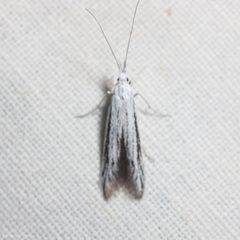
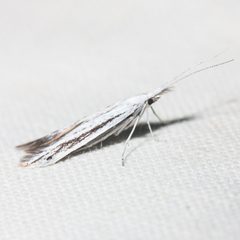
Coleophora discostriata is a small case-bearing in the Coleophoridae, first described by Walsingham in 1882. It is known from California and other parts of the western United States. The is associated with oak (Quercus) plants, with larvae constructing distinctive pistol-shaped cases. are active in mid-summer.
Pronunciation
How to pronounce Coleophora discostriata: /ˌkoʊliˈɒfəra ˌdɪskoʊˈstraɪətə/
These audio files are automatically generated. While they are not always 100% accurate, they are a good starting point.
Identification
distinguished from other Coleophora by the combination of white forewings with a prominent brownish-fuscous streak and small size (16 mm wingspan). Larval cases are diagnostic: pistol-shaped with rounded excrescence, oblique mouth, and contrasting blackish apex against grayish-ocherous base. Similar Coleophora species on Quercus may differ in case and adult markings.
Images
Habitat
Associated with oak-dominated where Quercus plants occur. Specific habitat requirements beyond host presence not documented.
Distribution
United States, with confirmed records from California. Distribution elsewhere in the western United States suggested but not precisely documented.
Seasonality
active July through August. Larval not specified.
Diet
Larvae feed on leaves of Quercus (oaks). feeding habits unknown.
Host Associations
- Quercus - larval food plantspecific oak not identified
Life Cycle
Complete with larval case construction. Larvae create pistol-shaped cases with rounded excrescence on underside, using these for protection while feeding on oak leaves. Specific details on , pupal, and stages not documented.
Behavior
Larvae construct and carry portable cases, typical of Coleophoridae. Case construction includes rounded excrescence and oblique mouth opening. Specific not described.
Ecological Role
Herbivore on oak foliage as larva. Role in and processes not documented.
Human Relevance
No documented economic or conservation significance. Occasionally encountered by lepidopterists and naturalists in California.
Similar Taxa
- Other Coleophora species on QuercusShare plant and general case-bearing habit; distinguished by wing pattern and larval case
More Details
Case morphology
The larval case of C. discostriata is among the more distinctive in the : pistol-shaped with a pronounced rounded excrescence on the underside, small apex, and striking color contrast between the blackish portion and grayish-ocherous remainder.