
Glyphidocera juniperella
Adamski, 1987
Juniper Tip Moth
Glyphidocera juniperella, commonly known as the Juniper Tip , is a small moth in the Autostichidae. The was described by Adamski in 1987 and is native to the southeastern and south-central United States. It is associated with juniper plants, as indicated by its specific epithet and . The species has been documented across ten states, with over 2,000 observations recorded.
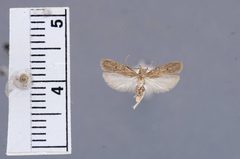
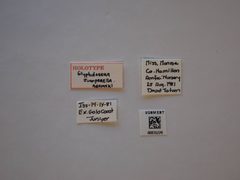
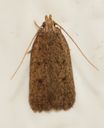
Pronunciation
How to pronounce Glyphidocera juniperella: /ˌɡlɪfaɪdoʊˈsɪərə ˌdʒuːnɪpəˈrɛlə/
These audio files are automatically generated. While they are not always 100% accurate, they are a good starting point.
Identification
Can be distinguished from other Glyphidocera by association with juniper and geographic restriction to the southeastern United States. Specific diagnostic morphological features for field identification have not been documented in available sources.
Images
Habitat
Associated with juniper vegetation; found in supporting juniper including open woodlands, forest edges, and scrublands.
Distribution
Recorded from Alabama, Florida, Indiana, Louisiana, Maryland, Mississippi, Oklahoma, South Carolina, Tennessee, and West Virginia.
Diet
Larval feeding has been observed on juniper (Juniperus ).
Host Associations
- Juniperus - larval Specific juniper not documented in available sources.
Similar Taxa
- Other Glyphidocera speciesCongeneric in Autostichidae are morphologically similar and require dissection or association for reliable identification; G. juniperella is distinguished by its juniper host specificity and southeastern U.S. distribution.
More Details
Taxonomic history
Described by Adamski in 1987, making it a relatively recently described within the diverse Glyphidocera.