
Galacticidae
Genus Guides
1Galacticidae is a small of microlepidopteran comprising approximately 16 described across five . The family was formally established in 1998 after being removed from Yponomeutoidea based on pupal characters, particularly spined abdominal segments. It is currently placed in its own superfamily Galacticoidea at the base of Apoditrysia, though its phylogenetic position remains uncertain and requires reassessment with molecular data. The genus Homadaula contains the majority of species and includes the mimosa webworm (Homadaula anisocentra), an introduced pest in North America.
Pronunciation
How to pronounce Galacticidae: /ɡəˌlæktɪˈsaɪdiː/
These audio files are automatically generated. While they are not always 100% accurate, they are a good starting point.
Identification
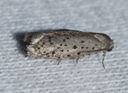
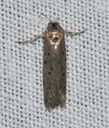
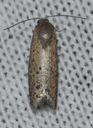
are small to moderate-sized with wingspans of 8–17 mm. The Homadaula resembles yponomeutid genera Prays and Atemelia in general appearance, with some showing similarity to "small ermine" moths. Pupal is critical for -level identification: Galacticidae possess spined abdominal segments, a character that contributed to their separation from Yponomeutoidea. Structural similarities to yponomeutids include certain adult morphological features.
Images
Distribution
Old World distribution spanning Africa, Madagascar, Asia, Australia, and New Caledonia. The introduced of Homadaula anisocentra in eastern North America represents the only known occurrence outside the native range.
Human Relevance
The mimosa webworm (Homadaula anisocentra) is a documented pest of ornamental plants, particularly Albizia (mimosa). It has been introduced to eastern North America where it causes damage to cultivated . This represents the primary documented economic impact of the .
Similar Taxa
- YponomeutidaeFormerly classified within Yponomeutoidea; share structural similarities and larval resembles yponomeutids. The Homadaula closely resembles yponomeutid genera Prays and Atemelia in general appearance.
- PsychidaePreviously embedded within Tineoidea alongside Psychidae; historical taxonomic confusion due to superficial similarities in microlepidopteran grade .