Pennisetiini
Naumann, 1971
Pennisetiini is a tribe of clearwing in the , Tinthiinae. The tribe was established by Naumann in 1971 and contains characterized by specific morphological features related to wing venation and genitalia structure. Members are part of the diverse of sesiid moths that often exhibit -mimicking appearances and reduced wing scaling.
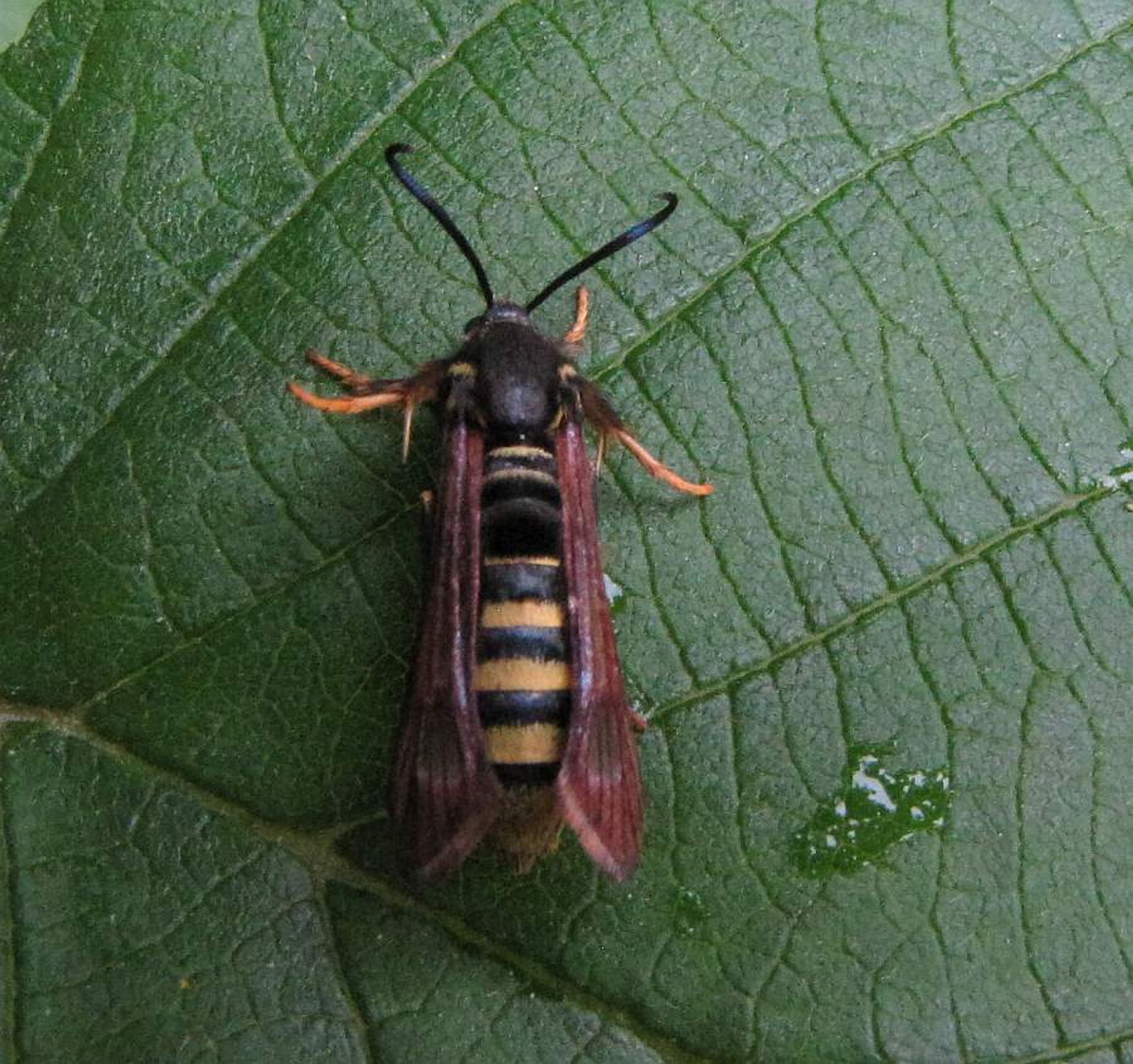
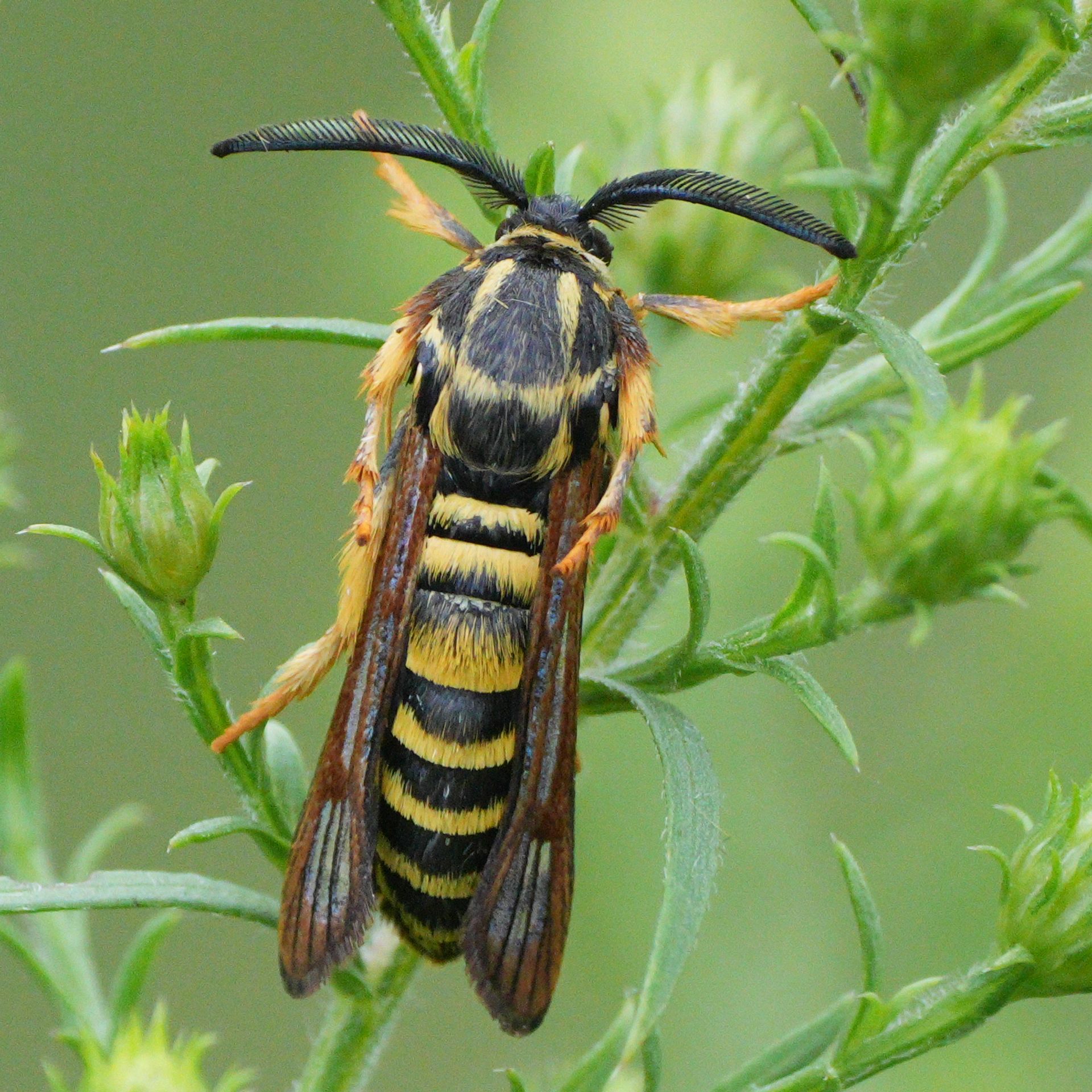
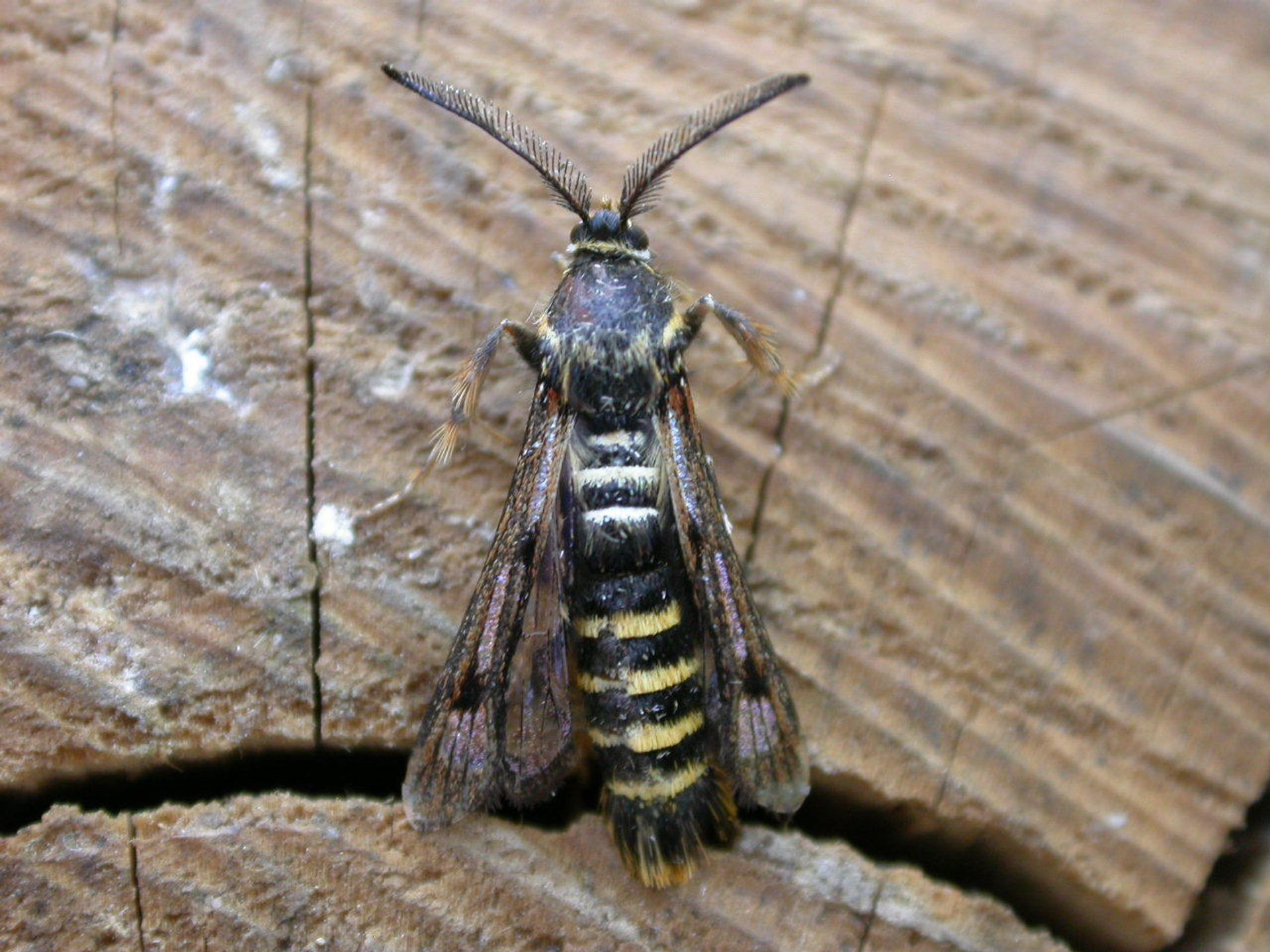
Pronunciation
How to pronounce Pennisetiini: //pɛn.nɪˈsɛt.i.aɪˌnaɪ//
These audio files are automatically generated. While they are not always 100% accurate, they are a good starting point.
Identification
Identification to tribal level requires examination of wing venation patterns, particularly the arrangement of in the forewing and hindwing, and dissection of male genitalia to assess saccus and valva structure. Clearwing in this tribe possess partially transparent wings due to reduced scaling, with dark borders and markings. The tribe is distinguished from other Tinthiinae tribes primarily through genitalic characters and specific configurations of the R and M wing veins.
Images
Distribution
The tribe has been recorded across multiple continents including parts of Africa, Asia, and Australia, though precise distributional limits for the tribe as a whole remain incompletely documented.
Similar Taxa
- TinthiiniAlso placed in Tinthiinae; distinguished from Pennisetiini by differences in male genitalia structure and wing venation, particularly the degree of development of certain anal .
- SesiiniTribe in Sesiinae; differs in wing venation patterns and genitalic , with Sesiini generally showing more derived features in the female genitalia.
More Details
Taxonomic history
The tribe was erected by Naumann in 1971 as part of a revision of sesiid classification. The tribal boundaries and constituent have been refined through subsequent morphological and molecular studies, though comprehensive phylogenetic analysis of the Tinthiinae remains incomplete.
Included genera
The tribe contains multiple , though the exact composition varies across taxonomic treatments. Genera such as Pennisetia and related are typically included, characterized by the diagnostic morphological features established in the original tribal description.