
Copromorphidae
Tropical Fruitworm Moths
Genus Guides
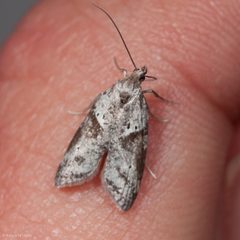
3is a of small in the superfamily Carposinoidea, commonly known as tropical fruitworm moths. The family is characterized by broad, rounded forewings with cryptic patterns and distinctive mouthpart , specifically labial palps with the second segment longest rather than the third. Molecular and morphological studies suggest this family may represent the sister lineage to all other extant Carposinoidea. The family contains approximately 30 and is predominantly tropical in distribution.
Pronunciation
How to pronounce Copromorphidae: /ˌkɒproʊˈmɔːrfɪdiː/
These audio files are automatically generated. While they are not always 100% accurate, they are a good starting point.
Identification
Distinguished from the related Carposinidae by labial palp structure: second segment longest rather than third segment. Broad, rounded forewing shape and cryptic patterning also characteristic. The Sisyroxena from Madagascar exhibits unusual venation and wing sockets. The New Zealand genus Isonomeutis lacks the flimsy pupal typical of other copromorphids.
Images
Habitat
Tropical and subtropical environments. Larvae inhabit joined leaves, flowers, fruits, or bore within stems.
Distribution
Widely distributed except absent from the Palearctic region. Present in Madagascar, India, Southeast Asia, New Guinea, Australia, New Zealand, and the Neotropics. Temperate region coverage limited: Lotisma and Ellabella occur in North America; Ellabella also in China. Over 20 in genus Copromorpha in Indo-Australia.
Diet
Caterpillars feed on Ericaceae, Moraceae (including Ficus), and Berberidaceae. The Isonomeutis is predatory on scale insects (Coccoidea: Margarodidae) on Podocarpaceae (Dacrydium cupressinum).
Host Associations
- Ericaceae - larval plant
- Moraceae - larval plantincluding Ficus
- Berberidaceae - larval plant
- Podocarpaceae - larval plantDacrydium cupressinum; preyed upon by Isonomeutis
- Coccoidea - preyMargarodidae; predatory relationship for Isonomeutis
Life Cycle
Caterpillars live between joined leaves, flowers or fruits, or bore within stems. Larvae pupate within silken gallery or descend to ground and construct cocoon covered in detritus.
Behavior
are and attracted to light. Some larvae feed on leaves; others bore in stems or fruits.
Similar Taxa
- CarposinidaeSimilar superfamily Carposinoidea; distinguished by labial palp structure (third segment longest in Carposinidae versus second in )
More Details
Etymology
name derives from Greek κόπρος (copros, 'excrement') and μορφή (morphe, 'shape' or 'appearance'), referring to the ' camouflaged appearance resembling excrement.
Fossil Record
One fossil known: Copromorpha fossilis Jarzembowski, 1980 from Bembridge Marls, Isle of Wight, Oligocene (~35 million years old).
Systematic Position
May represent sister lineage to all other extant Carposinoidea based on unusual structural characteristics of caterpillar and (Dugdale et al., 1999). Position of Isonomeutis within uncertain due to absence of typical pupal characteristics.