
Alucita montana
Barnes & Lindsey, 1921
Montana Six-plume Moth
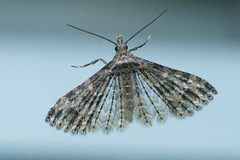
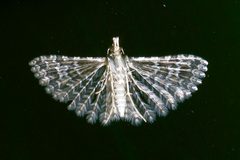
Alucita montana is a small in the Alucitidae, described by Barnes and Lindsey in 1921. It is characterized by wings divided into six plume-like lobes, a distinctive feature of the . The occurs across western North America, with larvae feeding on specific plants that vary by region.
Pronunciation
How to pronounce Alucita montana: /əˈluːsɪtə mɒnˈtænə/
These audio files are automatically generated. While they are not always 100% accurate, they are a good starting point.
Identification
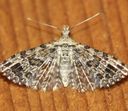
Distinguished from other Alucita by the specific pattern of forewing bands: the band forks on the first two lobes, and the costal spot does not reach the inner margin of the first lobe. The combination of grayish tawny ground color with white-margined dark brown markings is diagnostic. Similar species in the require close examination of wing pattern details for separation.
Images
Distribution
North America from south-western Quebec and Vermont west to British Columbia, south to Arizona, California and Texas. Additional records from Alberta, Manitoba, and Saskatchewan in Canada.
Diet
Larvae feed on Symphoricarpos (snowberries) in the northern part of the range and Lonicera species (honeysuckles) in California. feeding habits are not documented.
Host Associations
- Symphoricarpos - larval plantnorthern part of range
- Lonicera - larval plantCalifornia
Similar Taxa
- Other Alucita speciesSame with similar six-plumed wing structure; require examination of forewing band patterns and coloration for separation.
Sources and further reading
- BugGuide
- Wikipedia
- GBIF taxonomy match
- iNaturalist taxon
- NCBI Taxonomy
- Catalogue of Life
- Bumble Bee Mellowing Out on the Mallow | Bug Squad
- Little Spurthroated Grasshopper
- Whitecrossed Grasshopper
- Study Identifies Areas in U.S. Most Suitable for Invasive Giant Hornet
- Cattle Grazing Helps Pollinators in Sagebrush Rangelands
- Cicadas Race to Catch Up With Their Evolving Endosymbionts