
Greya
Busck, 1903
Species Guides
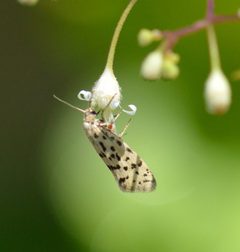
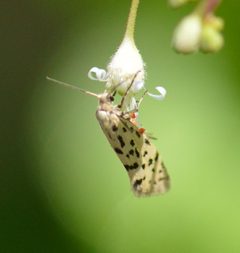
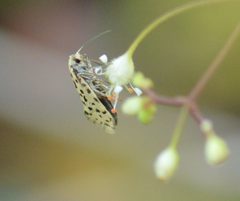
10Greya is a of in the Prodoxidae, comprising approximately 17 described . The genus is notable for its specialized nursery pollination mutualisms with saxifrage plants (Lithophragma), in which female moths oviposit into flowers and simultaneously pollinate them while their larvae develop within seeds. This pollination-seed system represents a key model for studying and ecological diversification in western North America.
Pronunciation
How to pronounce Greya: /ˈɡreɪə/
These audio files are automatically generated. While they are not always 100% accurate, they are a good starting point.
Images
Habitat
Associated with Lithophragma (Saxifragaceae) plants in western North America; include woodland, montane, and subalpine environments where Lithophragma occur.
Distribution
Western North America, ranging from southern California through Oregon, Washington, and western Idaho; distribution closely tracks that of Lithophragma plants across approximately 1400 km.
Diet
Larvae feed on developing seeds within Lithophragma fruits; feeding habits not documented.
Host Associations
- Lithophragma - nursery pollination mutualismFemale oviposit into flowers, pollinating them; larvae develop as seed within fruits. Multiple Lithophragma and are used across the range.
Life Cycle
deposited into Lithophragma flowers; larvae develop within seeds, consuming developing embryos; presumably occurs in soil or leaf litter, though specific details are not well documented for most .
Behavior
Female use generalized olfactory detection to locate Lithophragma flowers, detecting at least 23 floral volatile compounds including hexahydrofarnesyl acetone. Moths preferentially oviposit into flowers of local but retain ability to detect volatiles from host populations and .
Ecological Role
of Lithophragma flowers via nursery pollination mutualism; simultaneous seed creates a conditional mutualism where net benefit to plants depends on pollination relative to seed consumption.
Sources and further reading
- BugGuide
- Wikipedia
- GBIF taxonomy match
- iNaturalist taxon
- NCBI Taxonomy
- Catalogue of Life
- Biology and Systematics of Greya Busck and Tetragma, New Genus (Lepidoptera: Prodoxidae)
- Generalized olfactory detection of floral volatiles in the highly specialized Greya-Lithophragma nursery pollination system
- Phylogeography and host association in a pollinating seed parasite Greya politella (Lepidoptera: Prodoxidae)
- Diverse historical processes shape deep phylogeographical divergence in the pollinating seed parasite Greya politella
- Chapter Twelve. The Adaptive Radiation of Coevolving Prodoxid Moths and Their Host Plants: Greya Moths and Yucca Moths