
Sciapterygini
Genus Guides
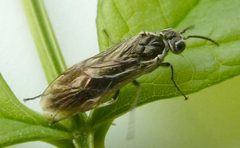
2Sciapterygini is a tribe of within the Tenthredinidae, Allantinae. Members are characterized by distinctive wing venation patterns and are associated with specific plants. The tribe includes the Sciapteryx, which is the primary representative. These sawflies are part of the diverse Hymenoptera fauna that play roles in plant-herbivore interactions.
Pronunciation
How to pronounce Sciapterygini: /ˌsaɪæpˌtɛr.əˈdʒaɪ.ni/
These audio files are automatically generated. While they are not always 100% accurate, they are a good starting point.
Identification
Sciapterygini can be distinguished from other Allantinae tribes by wing venation features, particularly the arrangement of in the forewing. The tribe is primarily defined by the Sciapteryx, which exhibits characteristic body proportions and antennal structure. Separation from related tribes such as Allantini requires examination of wing details and genitalic .
Images
Host Associations
- Sciapteryx - herbivoreLarvae feed on ferns (Pteridophyta), specifically various of Polypodiopsida. This fern-feeding specialization is a distinctive ecological trait of the tribe.
Ecological Role
As fern-feeding herbivores, members of Sciapterygini contribute to nutrient cycling in fern-dominated and represent a specialized plant-insect interaction within the Tenthredinidae.
Similar Taxa
- AllantiniBoth tribes occur in Allantinae and share general body plan, but differ in wing venation patterns and larval associations (Allantini feed on Rosaceae, not ferns).
- EmpriiniAnother Allantinae tribe with superficially similar , but distinguished by different wing arrangements and plant preferences.
More Details
Taxonomic History
Sciapterygini was established to accommodate the Sciapteryx, which was recognized as distinct from other Allantinae based on morphological and biological characteristics. The tribe's fern-feeding is unusual within Tenthredinidae, where most larvae feed on angiosperms.