
Leucopelmonus
Viereck, 1916
Species Guides
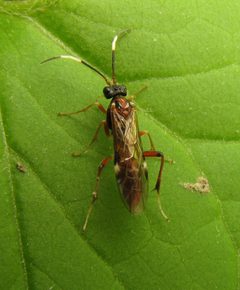
1Leucopelmonus is a of in the Tenthredinidae, established by Viereck in 1916. The genus contains few described and remains poorly known, with minimal published biological information. Records are sparse, with only five observations documented on iNaturalist. As with other tenthredinid sawflies, are likely herbivorous or nectar-feeding, while larvae probably feed on plant foliage.
Pronunciation
How to pronounce Leucopelmonus: /luːkoʊˈpɛlmənəs/
These audio files are automatically generated. While they are not always 100% accurate, they are a good starting point.
Identification
Leucopelmonus can be distinguished from other Tenthredinidae by its specific wing venation patterns and genitalic structures, though these require microscopic examination. The genus is not readily identifiable from field photographs alone. Separation from related genera such as Pachynematus or Nematus requires reference to original taxonomic descriptions.
Images
Distribution
Specific distribution data for Leucopelmonus are not published in readily accessible sources. The sparse iNaturalist observations suggest a North American range, consistent with the being described by an American entomologist.
Ecological Role
As a of , Leucopelmonus likely contributes to nutrient cycling through larval herbivory and serves as prey for and other natural enemies, though specific ecological studies are lacking.
Similar Taxa
- PachynematusSimilar body form and wing venation; distinguished by details of male genitalia and saw structure.
- NematusClosely related with overlapping ; requires microscopic examination of diagnostic characters for separation.
More Details
Taxonomic history
The was erected by Henry Lorenz Viereck in 1916. Original descriptions are based on morphological characters now requiring revision with modern methods.
Data deficiency
This exemplifies the many poorly known genera where basic biological information remains unstudied. The low observation count on citizen science platforms reflects both genuine rarity and undercollection.