
Trichiocampus gregarius
Trichiocampus gregarius is a of in the Tenthredinidae. The species is associated with willow (Salix) species as plants. Larvae feed gregariously in silk-webbed clusters on foliage, which gives the species its specific epithet. are active during spring and early summer.
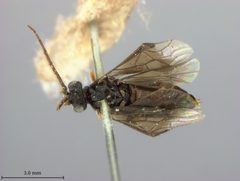
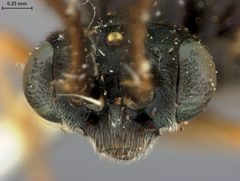

Pronunciation
How to pronounce Trichiocampus gregarius: /ˌtrɪkiːoʊˈkæmpəs ɡrəˈɡɛəriəs/
These audio files are automatically generated. While they are not always 100% accurate, they are a good starting point.
Identification
Larvae can be distinguished from similar larvae by their gregarious feeding and the construction of silk-webbed shelters on willow foliage. may be identified by examination of genitalia and wing venation patterns, requiring knowledge of Tenthredinidae . Distinguished from related Trichiocampus by association and subtle morphological features.
Images
Appearance
are small to medium-sized with a dark body and pale markings. Wings are membranous with typical hymenopteran venation. Larvae are caterpillar-like with a well-developed capsule, three pairs of thoracic legs, and six to eight pairs of fleshy on the (distinguishing them from lepidopteran caterpillars which have five or fewer pairs of prolegs).
Habitat
Associated with riparian and wetland where willow (Salix) grow. Found in areas with standing or slow-moving water, including riverbanks, lake margins, and marshy woodlands.
Distribution
Recorded from the Palearctic region, including parts of Europe and Asia. Specific country records require verification from primary sources.
Seasonality
active in spring and early summer. Larval feeding occurs during late spring and early summer, coinciding with willow leaf development.
Diet
Larvae feed on willow (Salix) leaves. do not feed; they rely on energy reserves from larval development.
Host Associations
- Salix - larval plantSpecific willow not definitively established in available sources
Life Cycle
Holometabolous development with , larval, pupal, and stages. Larvae feed gregariously in silk-webbed clusters on willow foliage. occurs in soil or leaf litter. One per year ().
Behavior
Larvae exhibit gregarious feeding , constructing communal silk webs on foliage. When disturbed, larvae may drop from webs on silken threads. This web-building behavior is the source of the epithet 'gregarius'.
Ecological Role
Herbivore that contributes to nutrient cycling through leaf consumption and subsequent deposition of . Serves as prey for and predatory insects. Minor role in willow dynamics in riparian .
Human Relevance
Minor pest of willow in , particularly in willow plantations grown for basketry or . Defoliation is usually localized and rarely causes significant economic damage. Occasionally noticed by gardeners on ornamental willows.
Similar Taxa
- Trichiocampus viminalisAlso feeds on willow; distinguished by larval and subtle morphological differences
- Nematus speciesOther willow-feeding larvae; distinguished by lack of gregarious web-building and different numbers
More Details
Taxonomic note
The Trichiocampus has undergone taxonomic revision; some sources may list this under related genera. Current placement in Trichiocampus follows recent Tenthredinidae phylogenetic studies.