
Athalia cornubiae
Benson, 1931
Stonecrop Tigress
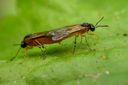
Athalia cornubiae is a described by Benson in 1931, commonly known as the Stonecrop Tigress. The species has been recorded in Europe (Belgium, Denmark) and North America (Canada, Ontario), suggesting either a natural transatlantic distribution or possible introduction. The implies an association with stonecrop plants (Crassula or Sedum), though specific relationships require confirmation. As a member of the Athalia, it belongs to a group of sawflies whose larvae often feed on cruciferous or succulent plants.
Pronunciation
How to pronounce Athalia cornubiae: //əˈθeɪliə kɔːˈnjuːbiˌiː//
These audio files are automatically generated. While they are not always 100% accurate, they are a good starting point.
Images
Distribution
Recorded from Belgium (including Flemish Region), Denmark, and Canada (Ontario). The disjunct distribution between Europe and North America is notable and may reflect limited survey effort, natural range, or anthropogenic introduction.
Host Associations
- Stonecrop - implied by 'Stonecrop Tigress' suggests association with Crassula or Sedum, but this requires verification
Similar Taxa
- Athalia rosae (Turnip Sawfly)Similar size and coloration; A. rosae is a widespread agricultural pest on Brassicaceae. A. cornubiae may be distinguished by plant association if confirmed, and subtle morphological differences in wing venation or structure (requires examination)
- Athalia lugensAnother European Athalia with overlapping range; separation requires detailed examination of genitalia and wing characters
More Details
Taxonomic Note
NCBI places this in Athaliidae, while GBIF and iNaturalist list it under Tenthredinidae. This reflects ongoing taxonomic debate: Athaliidae is sometimes treated as a (Athaliinae) within Tenthredinidae. The species was described from Cornwall, UK (hence 'cornubiae', from Cornubia, the Latin name for Cornwall).