Pseudosiobla
Ashmead, 1898
Species Guides
1Pseudosiobla is a of in the Tenthredinidae, established by Ashmead in 1898. The genus includes both extant and extinct , with fossil representatives known from Eocene lake deposits in North America. At least three fossil species have been described: P. campbelli from the early Eocene of British Columbia, and P. megoura and P. misera from the late Eocene Florissant Formation of Colorado.
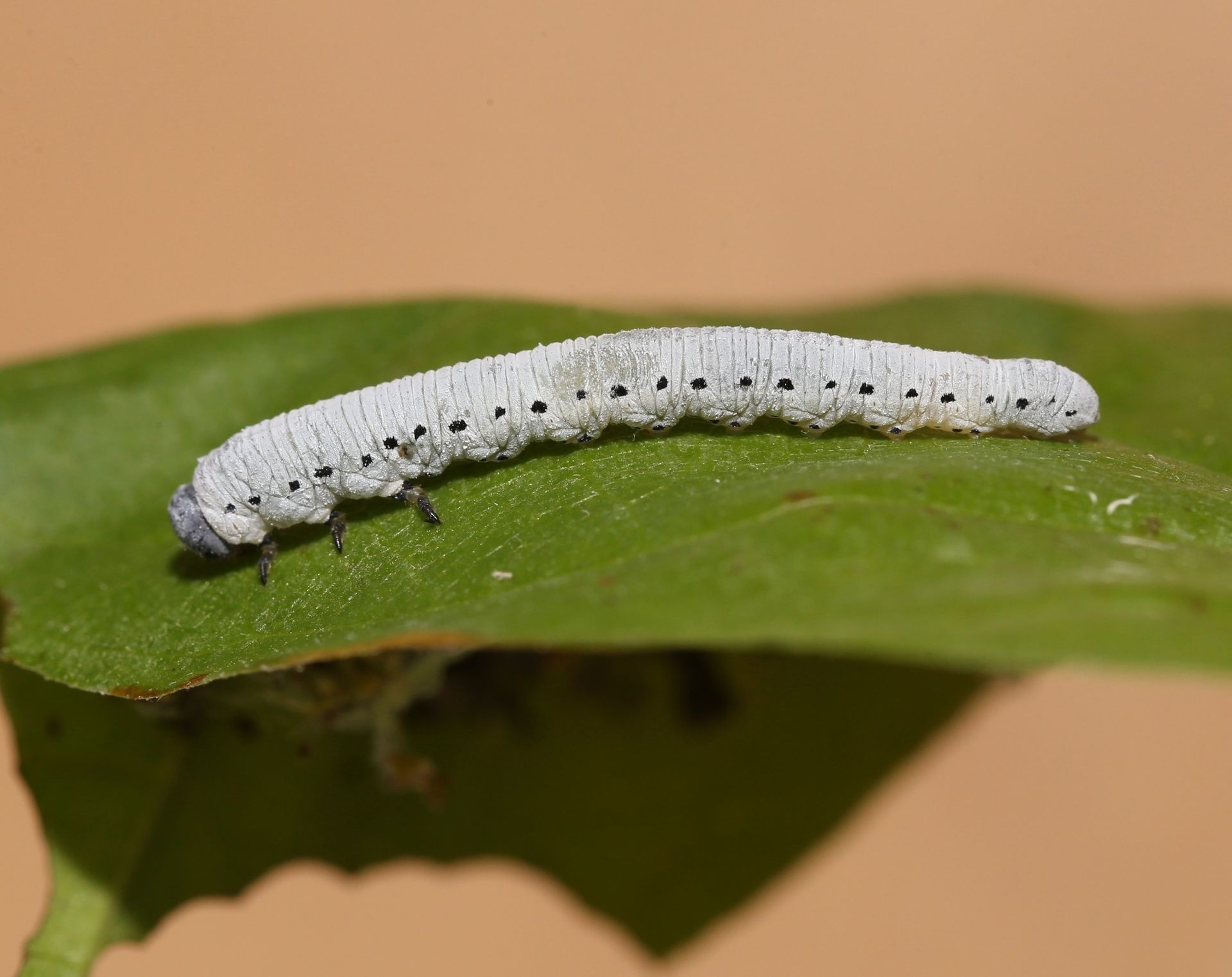
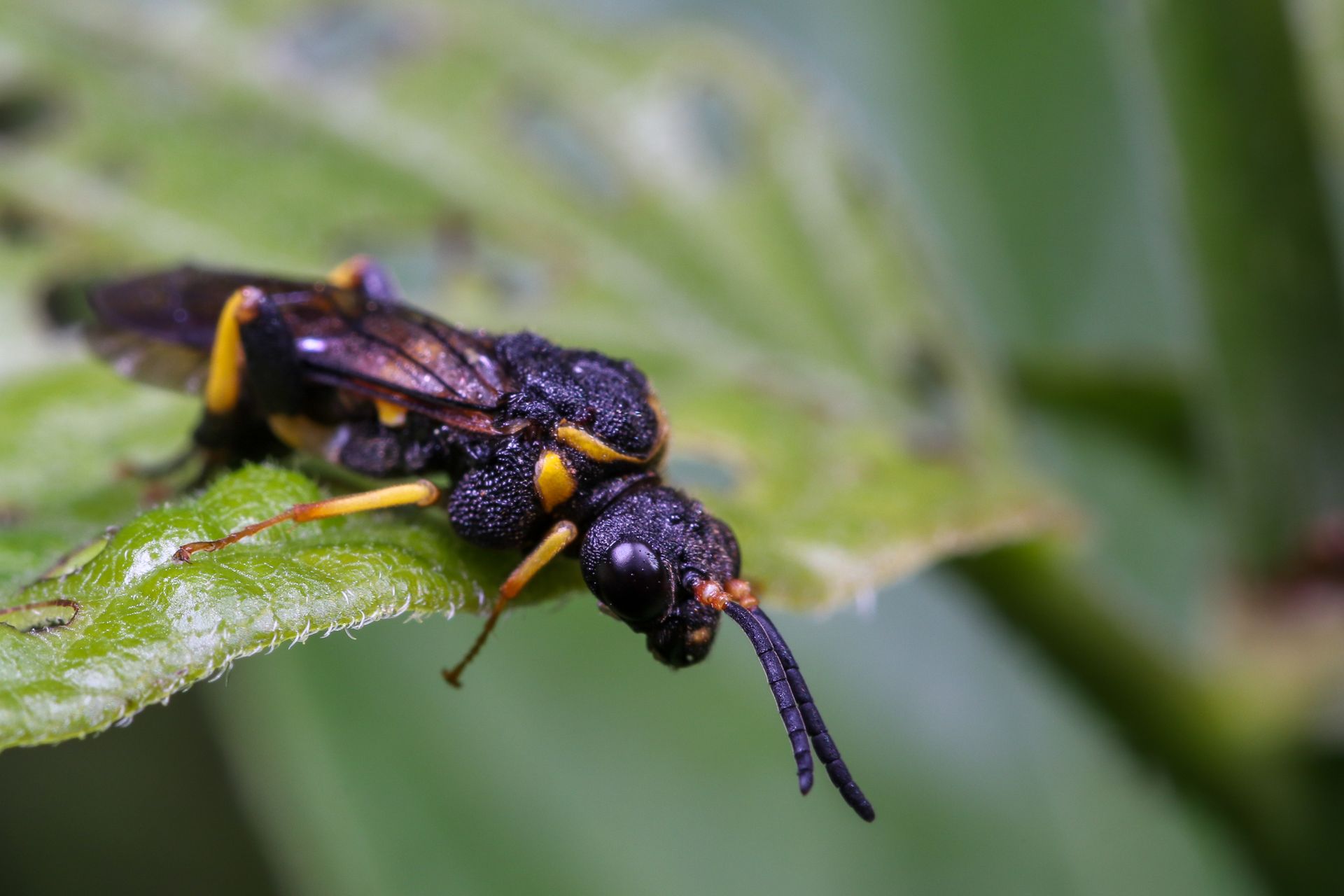
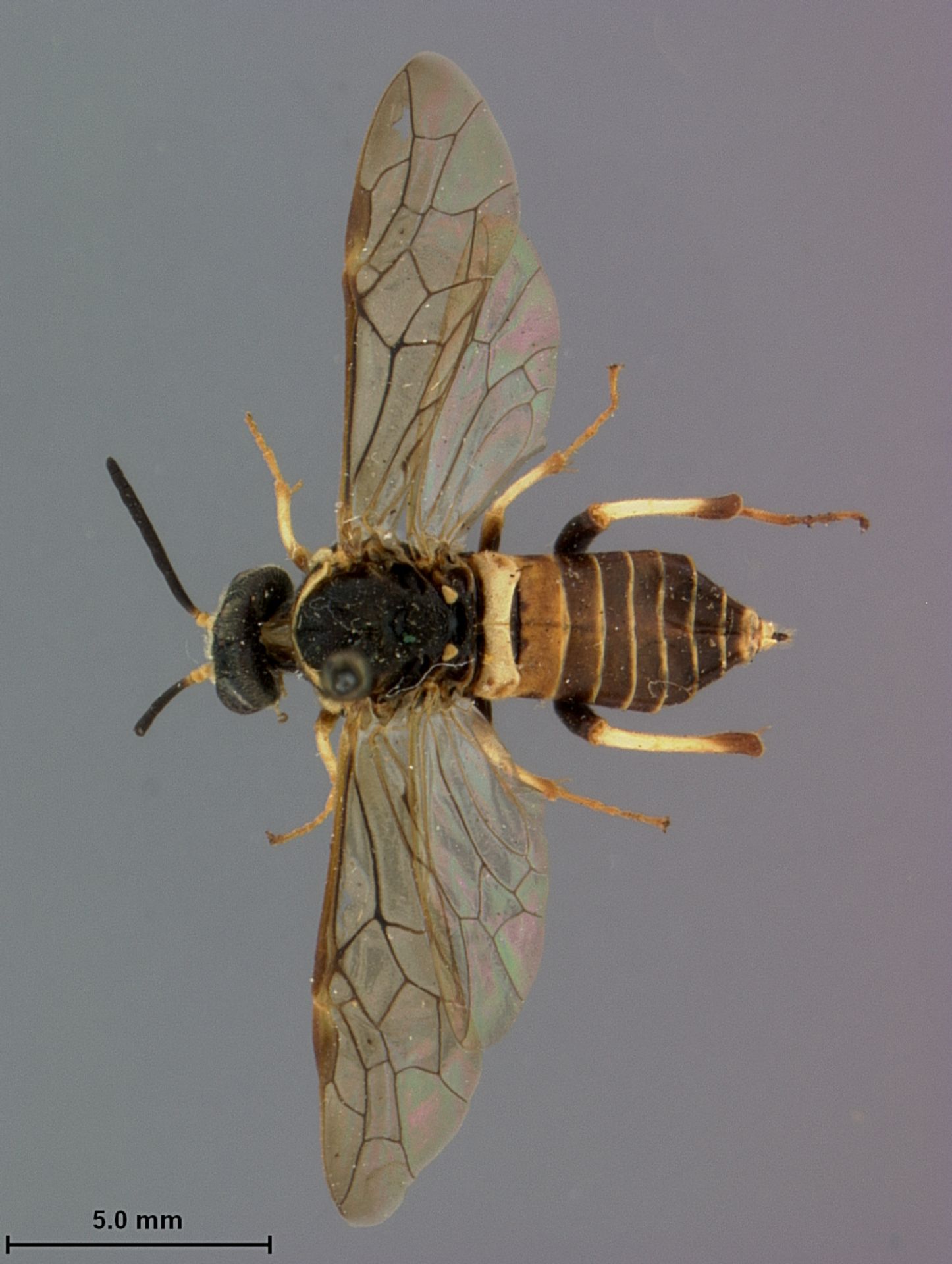
Pronunciation
How to pronounce Pseudosiobla: /ˌsjuːdoʊˈsaɪəblə/
These audio files are automatically generated. While they are not always 100% accurate, they are a good starting point.
Images
Distribution
The has been recorded from fossil localities in western North America, specifically the Horsefly River area in British Columbia, Canada (early Eocene, approximately 49 million years old) and the Florissant Formation in Colorado, USA (late Eocene, approximately 39 million years old). Extant distributions are not documented in available sources.
Similar Taxa
More Details
Fossil Record
The is represented in the fossil record by three described from Eocene lake deposits. P. campbelli is the smallest and oldest known species, dated to approximately 49 million years ago. P. megoura and P. misera from Colorado are younger (approximately 39 million years old) and notably larger, with P. megoura having an twice the length of P. campbelli. The possibility that P. megoura and P. misera represent the same species was raised by S.A. Rohwer in 1908.
Type Specimen
The of P. campbelli (GSC No. 22689) is a mostly complete female collected by R. B. Campbell in 1959 from the Horsefly shale deposits along the Horsefly River in the Cariboo District of British Columbia. The specimen is deposited in the Geological Survey of Canada collections and was described by Harington Rice in 1968.