
Monostegia abdominalis
(Fabricius, 1798)
Loosestrife Sawfly
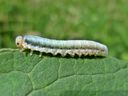
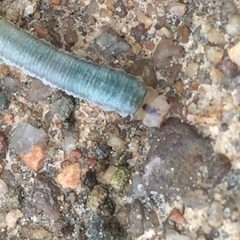
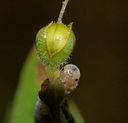
Monostegia abdominalis is a in the Tenthredinidae, commonly known as the Loosestrife Sawfly. The was described by Fabricius in 1798 and is associated with loosestrife plants (Lysimachia). A study in Quebec documented a on Lysimachia terrestris growing abundantly on a lake shore, where the sawfly completed two per year. The stages and aspects of female oviposition have been described.
Pronunciation
How to pronounce Monostegia abdominalis: /mɒnɒsˈtiːdʒiə æbdəˈmɪnəlɪs/
These audio files are automatically generated. While they are not always 100% accurate, they are a good starting point.
Images
Habitat
Lake shore where plants are abundant; specifically documented in Quebec where Lysimachia terrestris proliferated due to regular flooding
Distribution
Quebec, Canada; Belgium; records also exist from elsewhere in Europe and North America based on GBIF data
Host Associations
- Lysimachia terrestris (L.) BSP - plantDocumented as a new record in Quebec; plant was abundant on lake shore due to regular flooding, enabling high levels
Life Cycle
(two per year); stages described
Behavior
Female oviposition has been described; certain aspects of behavior documented
More Details
Taxonomic Authority
The Monostegia is attributed to Achille and Oronzio Costa, though earlier work grants authority to Fabricius 1798. The M. abdominalis bears the authority of Fabricius, 1798.
Sources and further reading
- BugGuide
- GBIF taxonomy match
- iNaturalist taxon
- NCBI Taxonomy
- Mini-review of the Cicindelidia abdominalis species-group | Beetles In The Bush
- Ospriocerus abdominalis | Beetles In The Bush
- The (almost) Florida-endemic Cicindelidia scabrosa | Beetles In The Bush
- Of Bots and Warbles | Beetles In The Bush
- ID Challenge #10 | Beetles In The Bush
- Rediscovery of Cicindela scabrosa floridana | Beetles In The Bush
- A LOOSESTRIFE SAWFLY, MONOSTEGIA ABDOMINALIS (HYMENOPTERA: TENTHREDINIDAE)