Monostegia
Costa, 1859
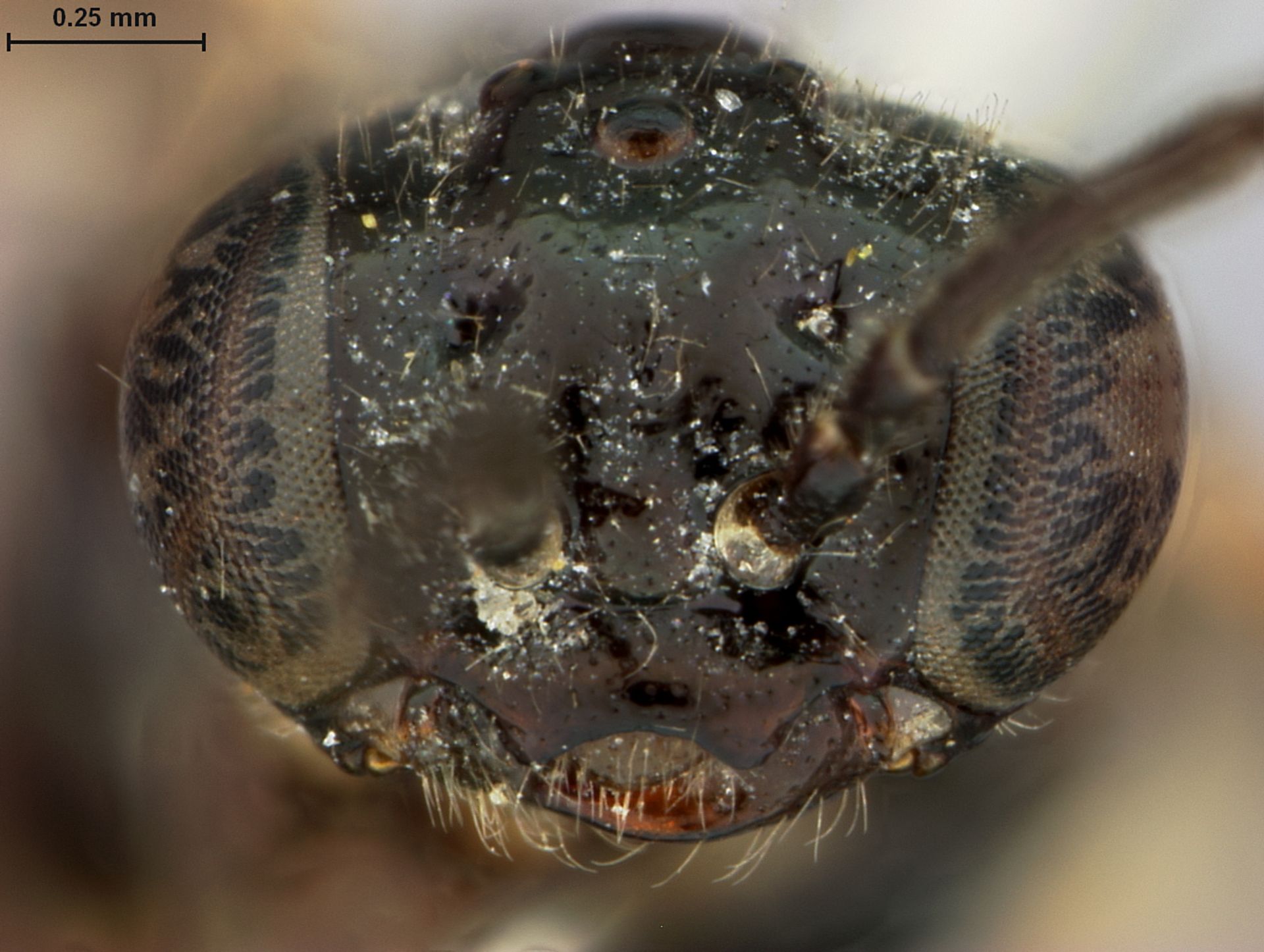
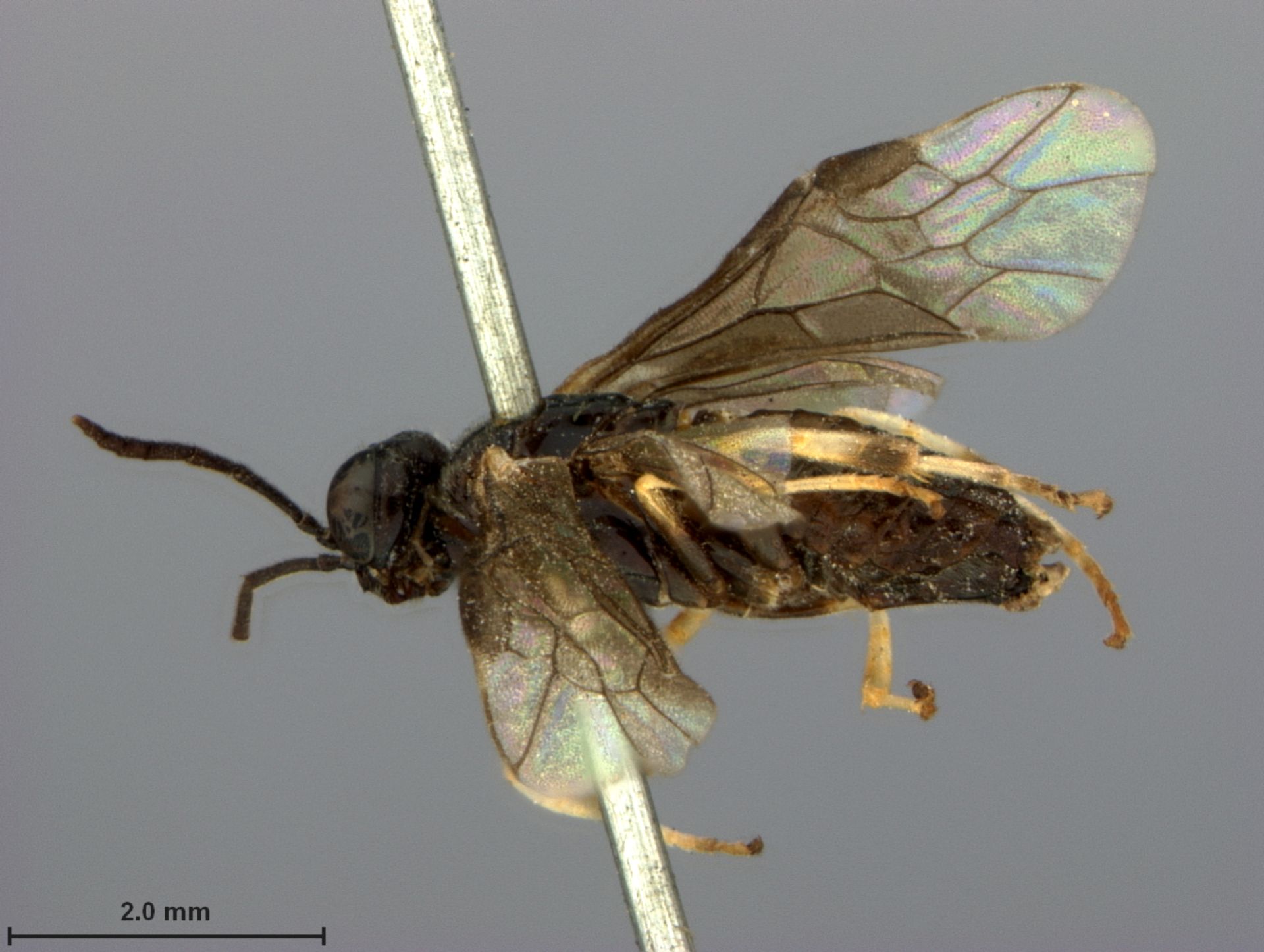
Monostegia is a of in the . The genus contains at least one well-known , M. abdominalis, commonly called the loosestrife sawfly. are characterized by black and with legs and . The genus has a holarctic distribution, originally to Europe and Asia but to North America in the 1950s, where it has since expanded its range considerably.
Pronunciation
How to pronounce Monostegia: /mɔnoˈstɛɡiə/
These audio files are automatically generated. While they are not always 100% accurate, they are a good starting point.
Identification
distinguished from other by combination of black and with legs and . are -like and may be confused with lepidopteran caterpillars, but possess greater number of typical of sawflies. Specific identification to level within requires examination of morphological details not provided in available sources.
Images
Habitat
Associated with plants in the Primulaceae, particularly Lysimachia . In North America, has been observed in lake shore environments where Lysimachia terrestris is abundant due to regular flooding.
Distribution
Holarctic distribution. to Europe, extending through Asia Minor and the Caucasus to Siberia. to North America in the 1950s; by 1979 ranged from Quebec to New Jersey and west to Ontario and Ohio. By 2016, detected as far west as Washington in the United States and from Alberta to the Maritimes in Canada.
Seasonality
Two to three per year depending on summer season length. emerge in August; some overwinter in soil and pupate in spring to emerge in June.
Diet
Folivorous . feed on leaves of Primulaceae, principally Lysimachia (including L. terrestris and L. nummularia) and Anagallis (pimpernel).
Host Associations
- Lysimachia terrestris - Swamp candle; identified as in North America in 1960s
- Lysimachia nummularia - Original reported in North America
- Anagallis - Pimpernel; principal
Life Cycle
to with two to three annually. laid in clusters of 6–16 on leaves. First remain with egg clusters for one day before dispersing. Sixth instar larva ceases feeding, drops to soil, burrows, and pupates. Some larvae overwinter in soil and pupate in spring.
Behavior
are thelyotokous: females produced from unfertilized ; males rare. Females alight on undersides of leaves at top of . involves penetrating leaf with to eggs into cavity, usually two at a time, moving from leaf toward stem. One can consume entire plant, migrating to new plant after total .
Human Relevance
Economic importance due to destructive feeding by on ornamental and Primulaceae. Considered a pest of loosestrife .
Similar Taxa
- Other Tenthredinidae sawfliesSimilar -like ; distinguished by specificity and coloration pattern of black / with /legs
More Details
Thelyotoky
by with females developing from unfertilized is a notable biological feature of this .
Taxonomic authority
While (1859) is the accepted authority for the , Fabricius (1798) is sometimes cited; the common M. abdominalis bears Fabricius's authority.