
Aporinellus
Banks, 1911
Species Guides
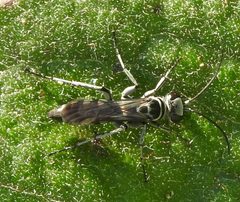
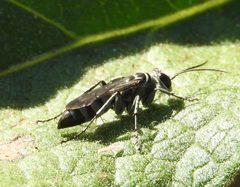
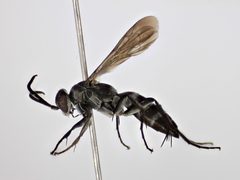
7Aporinellus is a of spider wasps in the Pompilidae, first described by Banks in 1911. The genus contains approximately 30 described distributed across Europe, Southeastern Asia, and North America. Members of this genus are solitary that hunt spiders to provision their nests. Species-level identification requires examination of wing venation and male genitalia.
Pronunciation
How to pronounce Aporinellus: /ˌæpəˈraɪnɛləs/
These audio files are automatically generated. While they are not always 100% accurate, they are a good starting point.
Identification
-level characters for Aporinellus include: forewing with three submarginal (a trait shared with many Pompilidae), and specific modifications of the male genitalia. identification relies on wing coloration patterns, particularly the presence and extent of pale or dark markings on the forewings, and details of the and structure. The genus is distinguished from related genera such as Anoplius and Arachnospila by subtle differences in wing venation and genital that require microscopic examination.
Images
Distribution
Europe, Southeastern Asia, and North America. Specific distribution records include China (modeled suitability), the Philippines, Egypt, and various regions of North America including the southwestern United States and Mexico.
Diet
are nectar feeders. Larvae are provisioned with paralyzed spiders as food.
Life Cycle
Solitary nesting. Females construct nests in soil or use pre-existing cavities, provision them with paralyzed spiders, and lay a single per . The larva consumes the spider and pupates within the cell.
Behavior
Solitary hunting . Females seek out spiders, sting them to induce paralysis, and transport them to nest sites. Prey transport may involve dragging or carrying depending on spider size and terrain.
Ecological Role
of spiders; contributes to spider . may contribute to pollination through nectar feeding.
Human Relevance
Not considered medically significant. Stings are possible but not a documented public health concern. No known economic importance in agriculture or pest control.
Similar Taxa
- AnopliusSimilar wing venation with three submarginal ; distinguished by differences in male genitalia structure and details of wing coloration patterns.
- ArachnospilaOverlapping distribution and general body form; separated by genitalic characters and subtle differences in clypeal .
More Details
Taxonomic Note
The was established by Nathan Banks in 1911. Several were originally described in other genera (particularly Pompilus and Prioemmys) and later transferred to Aporinellus. The genus includes species with both entirely dark wings and those with distinctive pale or yellowish wing markings.