
Ephuta
Say, 1836
Species Guides
8Ephuta is a widespread New World of velvet ants (Mutillidae) whose remains poorly understood. The genus contains at least nine described in Panama alone, with additional undescribed morphospecies. Ephuta species exhibit strong seasonal variation in abundance, peaking during the transition from dry to rainy season. As , they develop in the nests of spider wasps (Pompilidae), with confirmed records including Auplopus subaurarius in Brazil.
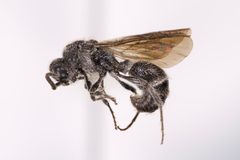
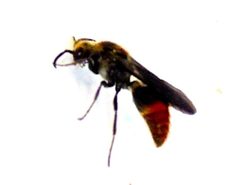
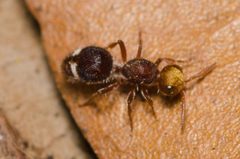
Pronunciation
How to pronounce Ephuta: /ɛˈfjuːtə/
These audio files are automatically generated. While they are not always 100% accurate, they are a good starting point.
Images
Habitat
Old forest; tropical forest environments. The has been documented in forested at Barro Colorado Island, Panama, and in Guarapuava, Paraná, Brazil.
Distribution
Widespread in the New World. Documented from Panama (Barro Colorado Island), Brazil (Paraná), and Colombia (Parque Nacional Natural Serranía de Chiribiquete).
Seasonality
Strong seasonal variation in abundance with peaks occurring from March to June. April shows the greatest abundance. Activity peaks correlate with the end of the dry season and beginning of the rainy season.
Host Associations
- Auplopus subaurarius Dreisbach, 1963 - confirmed Ephuta icema reared from this pompilid in Brazil, allowing association of sexes and description of the previously unknown male.
- Pompilidae (Hymenoptera) - suspected Correlated abundance patterns with pompilid wasps captured at Barro Colorado Island, Panama suggest relationship; not confirmed through direct rearing.
Behavior
Cleptoparasitic; develops in nests. Exhibits strong seasonal variation in abundance driven by temperature and host availability.
Ecological Role
of spider wasps (Pompilidae); likely regulates and influences structure of ground-nesting in tropical forests.