Megachile inimica
Cresson, 1872
hostile leaf-cutter bee
Species Guides
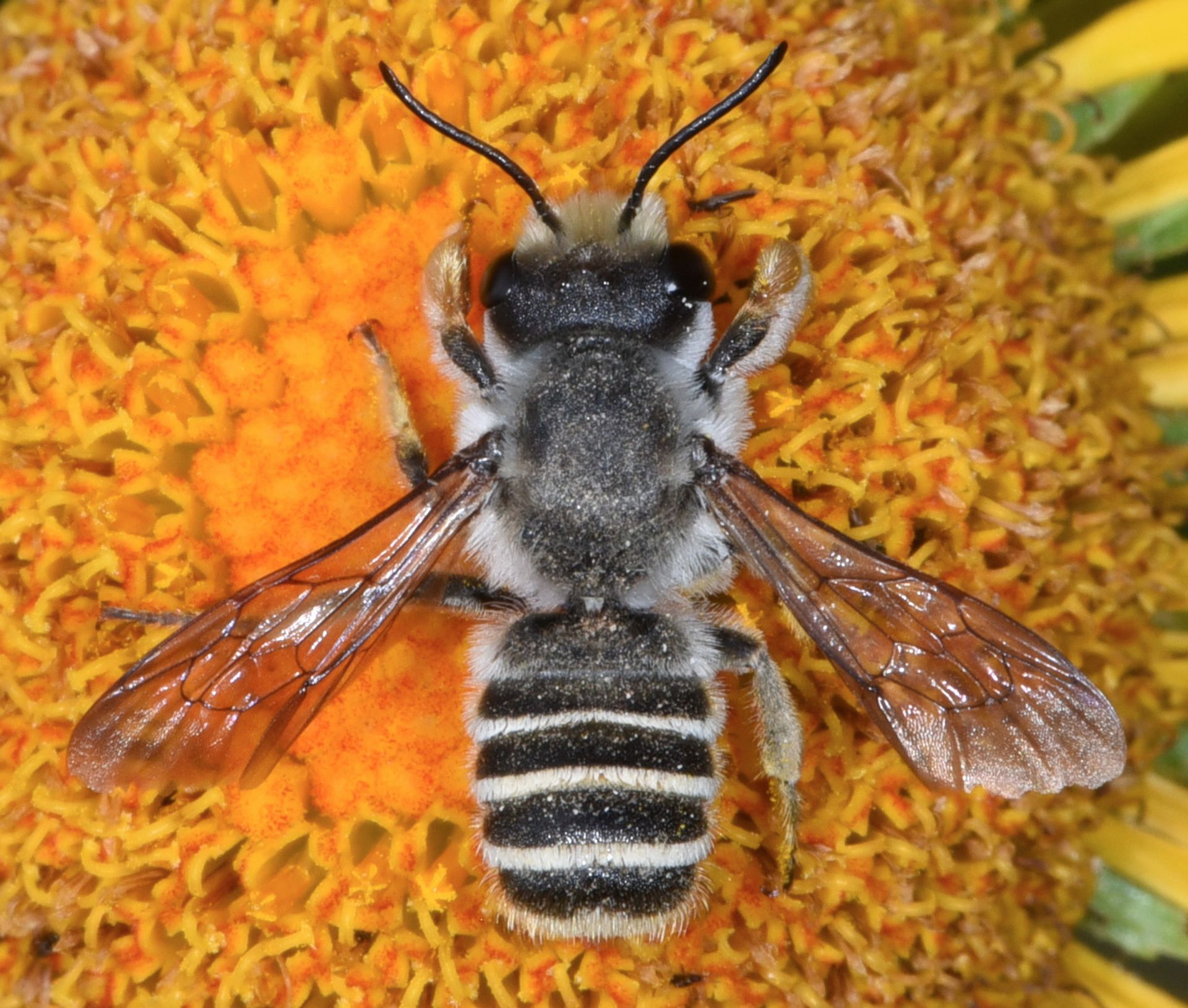
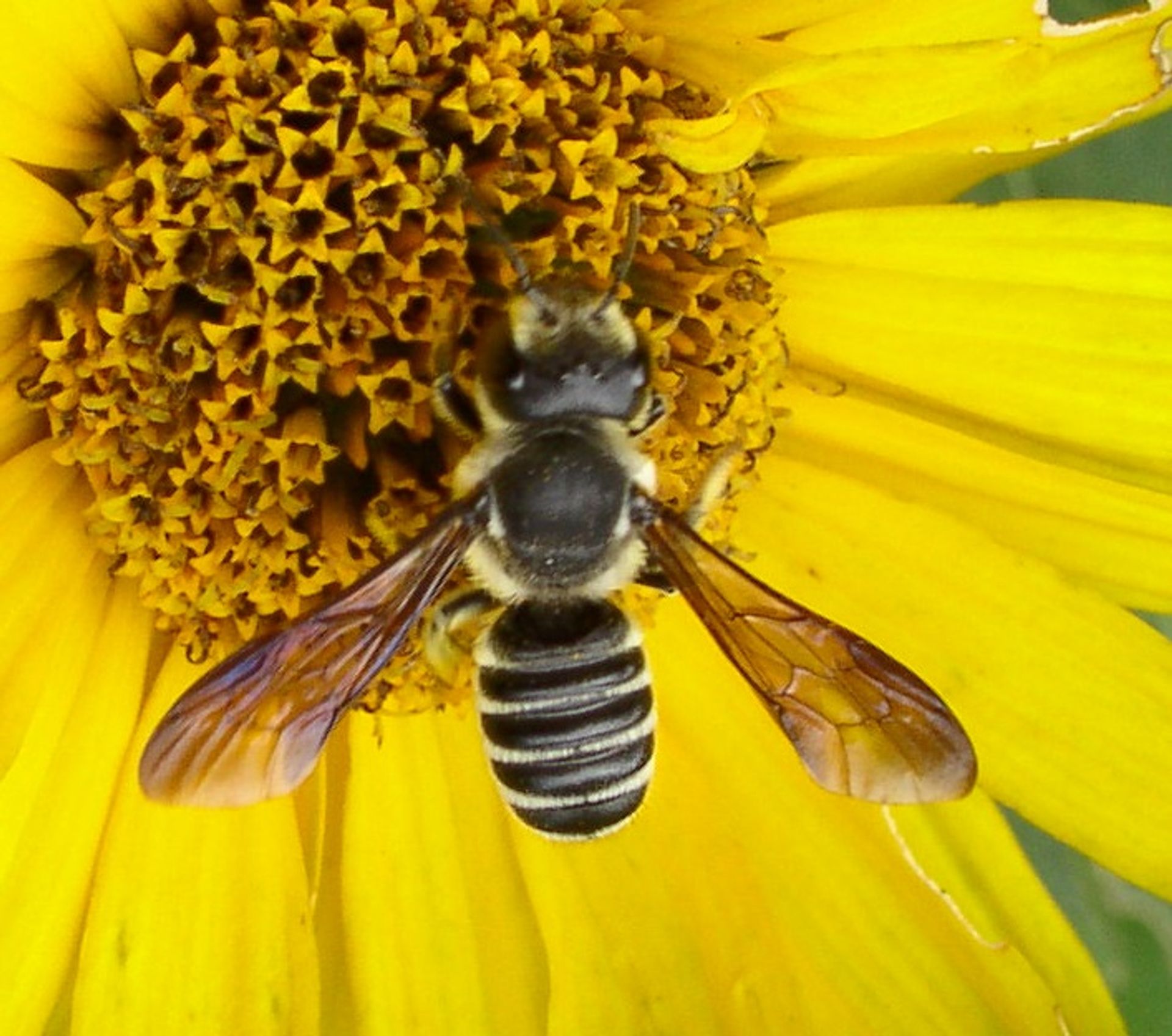
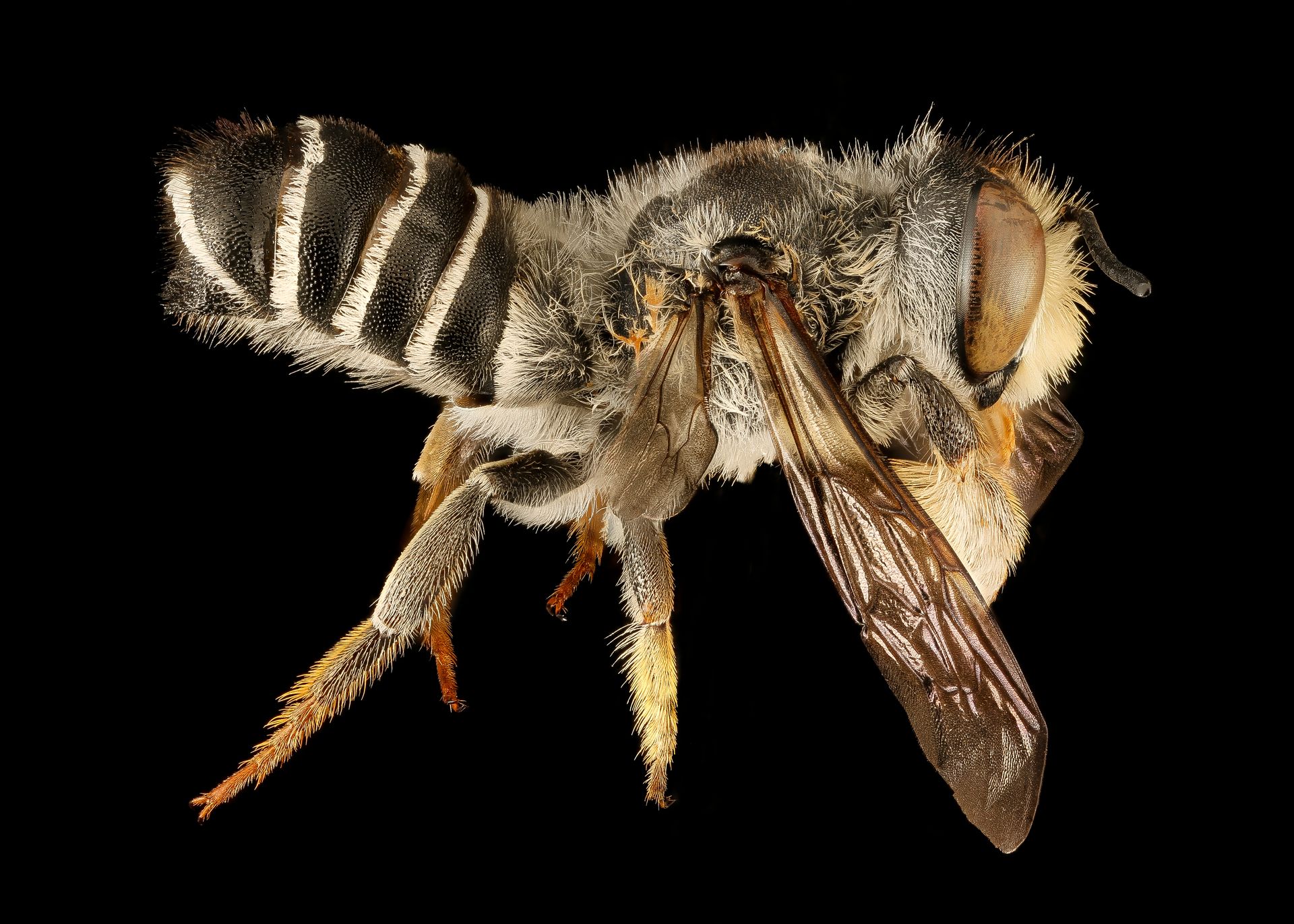
2Megachile inimica is a solitary in the Megachilidae, described by Ezra Townsend Cresson in 1872. It is native to southern North America and Central America. As a member of the Megachile, it likely exhibits the characteristic of cutting leaf fragments to line its nest cavities, though specific behavioral details for this remain poorly documented.
Pronunciation
How to pronounce Megachile inimica: /ˌmɛɡəˈkaɪli ɪˈnɪmɪkə/
These audio files are automatically generated. While they are not always 100% accurate, they are a good starting point.
Identification
Specific diagnostic features distinguishing Megachile inimica from are not well documented in available sources. As with other Megachile , females carry pollen on scopal hairs located on the surface of the rather than on the hind legs. The specific epithet "inimica" (Latin for "hostile") may refer to behavioral or morphological characteristics, though the original description's reasoning is not preserved in cited sources.
Images
Distribution
Native to North and Central America. Documented occurrences include Mexico, Guatemala, and the southern United States. GBIF records indicate presence in Middle America and North America.
More Details
Etymology
The specific epithet "inimica" derives from Latin, meaning "hostile" or "unfriendly." The "hostile leaf-cutter " reflects this translation. The reason for Cresson's choice of this epithet in the 1872 description is not preserved in available sources.
Sources and further reading
- BugGuide
- Wikipedia
- GBIF taxonomy match
- iNaturalist taxon
- NCBI Taxonomy
- Catalogue of Life
- Looking for Cheap Urban Real Estate | Bug Squad
- In Search of the World's Biggest Bee: How It Came to 'Bee' | Bug Squad
- Photographer Allan Jones Exudes Patience, Skill and Talent | Bug Squad
- The Most Incredible Image of a Leafcutter Bee | Bug Squad
- Mailbox posts are fine homes for giant resin bees, Megachile sculpturalis — Bug of the Week
- To Grow a Right-Sized Bee, Give It a Right-Sized Nest