
Tromatobia zonata
(Davis, 1895)
Tromatobia zonata is a of ichneumon in the Ichneumonidae, first described by Davis in 1895. The Tromatobia comprises wasps that typically attack spider . This species is part of a diverse group of ichneumonids that play important roles in regulating through . Available records indicate it has been documented through limited observations, with six records on iNaturalist suggesting it is infrequently encountered or underreported.
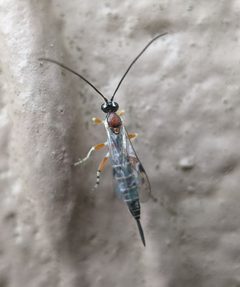
Pronunciation
How to pronounce Tromatobia zonata: /troʊˌmætəˈbiːə zoʊˈneɪtə/
These audio files are automatically generated. While they are not always 100% accurate, they are a good starting point.
Images
Distribution
Documented records exist but specific geographic range details are not clearly established in available sources. The Tromatobia has a Holarctic distribution, but -level distribution for T. zonata requires verification.
Host Associations
- spider eggs - The Tromatobia is known to parasitize spider sacs; specific records for T. zonata are not confirmed in available sources.
Ecological Role
As a member of the Tromatobia, this likely functions as a of spider , contributing to the regulation of spider . Ichneumonid wasps in this ecological role help maintain balance in by limiting reproductive success of their .
Similar Taxa
- Other Tromatobia speciesCongeneric share similar as spider and require detailed morphological examination for separation; specific distinguishing features for T. zonata are not documented in available sources.
More Details
Taxonomic note
The specific epithet 'zonata' (meaning banded or zoned) may refer to coloration patterns, but this is speculative without specimen examination. The was described by Davis in 1895, indicating it has been recognized in taxonomic literature for over a century despite limited modern documentation.
Data availability
This has minimal accessible biological or ecological documentation. The six iNaturalist observations suggest it is either genuinely rare, cryptic in habit, or underreported due to its small size and specialized association with spider sacs.