
Clistopyga
Gravenhorst, 1829
Species Guides
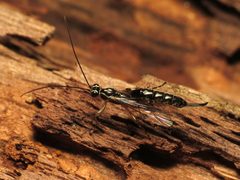
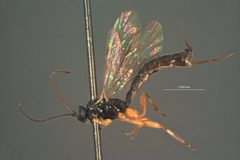
2Clistopyga is a of ichneumonid wasps in the Pimplinae, first described by Gravenhorst in 1829. The genus contains approximately 50 described , with the majority distributed in the Neotropical region. Species are characterized by specialized adaptations for parasitizing spiders, including modified ovipositors used for clinging to and felting spider silk to seal nest openings. Several species groups have been established within the genus based on morphological and distributional patterns.
Pronunciation
How to pronounce Clistopyga: //klɪˈstɒpɪɡə//
These audio files are automatically generated. While they are not always 100% accurate, they are a good starting point.
Identification
Members of Clistopyga can be distinguished from other Pimplinae by their association with spider and corresponding morphological adaptations. The ovipositor typically retains serrations despite reduction in overall complexity compared to other ichneumonids. Some exhibit highly modified metasomal tergites and distinctive color patterns. The genus Afroanomalia was synonymized with Clistopyga in 2024.
Images
Habitat
Tropical and subtropical forests, particularly rain forests. The Andean-Amazonian interface in Peru has been specifically documented as for at least one .
Distribution
Primarily Neotropical, with approximately 30 of 50 described occurring in this region. Range extends into the southern Nearctic region (northern Mexico) and includes the Yucatán Peninsula. Some species have been recorded from Belize, Brazil, Colombia, Venezuela, and Peru. Distribution records also exist from Denmark, Norway, and Sweden.
Host Associations
- spiders - primary ; specific include Salticidae
- Telamonia dimidiata - jumping spider for at least one described
- ants - possible mimicry modelsuggested as potential mimicry target based on coloration patterns in some
Behavior
Females use their ovipositor to cling to spider as the spider attempts to escape. A documented behavioral involves using the ovipositor to felt spider silk, sealing openings in silken spider nests in a manner comparable to needle felting. This is hypothesized to protect developing offspring. Some exhibit mimicry, with two possible explanations proposed for bizarre metasomal and coloration in at least one species.
Ecological Role
of spiders. The sealing of spider nests after oviposition may influence spider and nest availability in forest .
Similar Taxa
- AfroanomaliaFormerly recognized as distinct but synonymized with Clistopyga in 2024; distinguished historically by African distribution and morphological traits now considered within Clistopyga variation
- other Pimplinae generaLack the specialized spider-associated ovipositor adaptations and reduced ovipositor complexity seen in Clistopyga
Sources and further reading
- BugGuide
- Wikipedia
- GBIF taxonomy match
- iNaturalist taxon
- NCBI Taxonomy
- Catalogue of Life
- Primary Type List | Entomology Research Museum
- Revision of North American species of Clistopyga (Hymenoptera: Ichneumonidae: Pimplinae)
- First record of Clistopyga melanoptera Castillo, Sääksjärvi & Bordera (Hymenoptera: Ichneumonidae: Pimplinae) in Brazil
- Clistopyga caramba sp. nov. (Hymenoptera: Ichneumonidae; Pimplinae), an astonishing example of mimicry in spider-attacking parasitoid wasps
- Spider silk felting—functional morphology of the ovipositor tip of Clistopyga sp. (Ichneumonidae) reveals a novel use of the hymenopteran ovipositor
- The Neotropical species of Clistopyga (Hymenoptera, Ichneumonidae, Pimplinae). Part VI: the C. calixtoi species group, with the description of twenty-four new species
- A new species of Clistopyga Gravenhorst (Hymenoptera: Ichneumonidae: Pimplinae) parasitizing Telamonia dimidiata (Simon), with notes on host association and biology
- Two new species of the Clistopyga henryi species-group (Hymenoptera, Ichneumonidae, Pimplinae) from South America, with a key to species of the group.
- The genome sequence of an ichneumon wasp, Clistopyga incitator (Fabricius, 1793).