
Aperileptus
Förster, 1869
Species Guides
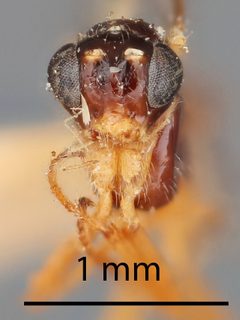
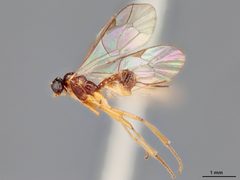
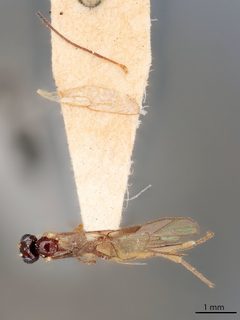
1Aperileptus is a of in the Ichneumonidae, first described by Arnold Förster in 1869. The genus has an almost distribution. Two are currently recognized: Aperileptus albipalpus and Aperileptus impurus. As ichneumonids, members of this genus are presumed to be parasitoids of other insects, though specific associations remain poorly documented.
Pronunciation
How to pronounce Aperileptus: //ˌæpəˈraɪləptəs//
These audio files are automatically generated. While they are not always 100% accurate, they are a good starting point.
Identification
Specific diagnostic features for Aperileptus are not well documented in available sources. The belongs to the diverse Ichneumonidae, which is characterized by slender bodies, long , and often prominent ovipositors in females. Identification to genus level typically requires examination of wing venation, antennal structure, and abdominal segmentation patterns.
Images
Distribution
Almost distribution. Distribution records from GBIF include Denmark (DK), Norway (NO), and Sweden (SE).
Ecological Role
Members of this function as , though specific relationships and impacts have not been documented in available literature.
Similar Taxa
- Other Ichneumonidae generaAperileptus can be distinguished from related through subtle morphological characters of wing venation and antennal structure, though these require examination.
More Details
Taxonomic history
The was established by Arnold Förster in 1869 and has remained a valid genus within Ichneumonidae. Only two are currently recognized: A. albipalpus and A. impurus.