
Exochus
Gravenhorst, 1829
Species Guides
7Exochus is a large of ichneumon wasps in the Metopiinae, containing at least 270 described . The genus was established by Gravenhorst in 1829. Species occur across multiple continents, with records from the Neotropical region including Brazil. Members are , though specific associations remain poorly documented for most species.

Pronunciation
How to pronounce Exochus: /ˈɛk.sə.kəs/
These audio files are automatically generated. While they are not always 100% accurate, they are a good starting point.
Identification
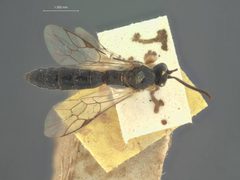
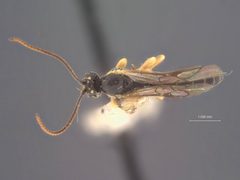
Exochus can be distinguished from related in Metopiinae by features of the propodeum and fore wing venation, though precise diagnostic characters vary among species. The genus Trieces is morphologically similar and has been treated in conjunction with Exochus in taxonomic revisions. Specific identification requires examination of minute structural details and is generally not possible from photographs alone.
Images
Distribution
Widespread across multiple continents; confirmed records include Brazil and the broader Neotropical region. The E. atlanticus is named for its occurrence in the Atlantic region of Brazil. Additional species have been recorded from the Palearctic and Nearctic regions, though comprehensive distribution data is incomplete.
Ecological Role
As members of Ichneumonidae, Exochus function as , though specific records are sparse. The Metopiinae is generally associated with of Lepidoptera larvae, but this has not been confirmed for most Exochus species.
Similar Taxa
- TriecesMorphologically similar in Metopiinae; historically treated together in taxonomic works and requiring careful examination of wing venation and abdominal structure to distinguish
More Details
Taxonomic history
The was established by Gravenhorst in 1829. Taxonomic revisions continue to expand the known , with new described from under-sampled regions such as Brazil.