
Grotea lokii
Slobodchikoff, 1970
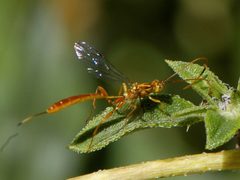
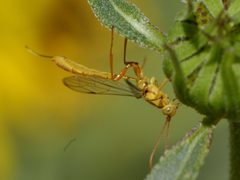
Grotea lokii is a of ichneumon in the Ichneumonidae, described by Slobodchikoff in 1970. The Grotea is a small group of wasps whose members are known to attack bees in the family Anthophoridae. This species is rarely encountered and poorly documented in scientific literature.
Pronunciation
How to pronounce Grotea lokii: //ˈɡroʊtiə ˈloʊkiːaɪ//
These audio files are automatically generated. While they are not always 100% accurate, they are a good starting point.
Identification
Members of the Grotea can be recognized by their robust build, relatively short compared to many ichneumonids, and a distinctive pronotum that reaches the tegulae. Specific diagnostic features for G. lokii are not documented in available sources. Separation from other Grotea requires examination of detailed morphological characters not summarized in general references.
Images
Distribution
Known from the southwestern United States and Mexico, based on type locality and limited collection records.
Host Associations
Ecological Role
As a member of a attacking bees, likely contributes to of native .
Similar Taxa
- Grotea californicaOverlapping geographic range in the southwestern United States; both are medium-sized ichneumonids with similar associations. Requires detailed morphological examination to distinguish.
- Other IchneumonidaeGeneral resemblance to many ichneumonid wasps; Grotea distinguished by pronotal structure and association with .
More Details
Taxonomic History
Described by Slobodchikoff in 1970, with the specific epithet 'lokii' honoring the Norse god Loki. The remains poorly known with minimal subsequent study.
Data Limitations
Only 11 observations recorded on iNaturalist as of source date, indicating rarity or undercollection. No peer-reviewed ecological or behavioral studies found.