
Trogomorpha trogiformis
(Cresson, 1864)
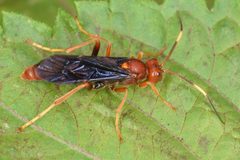
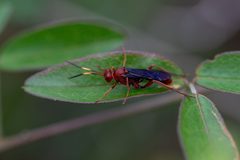
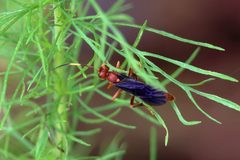
Trogomorpha trogiformis is a of ichneumon in the Ichneumonidae, first described by Cresson in 1864. The Trogomorpha is characterized by distinctive morphological features including a compact body form and reduced wing venation. As a member of the Trogomorphinae (or related group within Ichneumonidae), this species represents a lineage of wasps. The specific epithet 'trogiformis' refers to its resemblance to beetles of the family Trogidae (hide beetles), an example of mimicry or convergent body form.
Pronunciation
How to pronounce Trogomorpha trogiformis: //ˌtroʊɡoʊˈmɔːrfə ˌtroʊdʒɪˈfɔːrmɪs//
These audio files are automatically generated. While they are not always 100% accurate, they are a good starting point.
Identification
Trogomorpha are distinguished from other ichneumonid by their -like, compact body form with shortened wing venation and robust hind legs. T. trogiformis specifically can be recognized by its trogid-like appearance—rounded, convex body with shortened -like wing covers and dark, often sculptured . The are relatively short for an ichneumonid, and the ovipositor is typically concealed or reduced.
Images
Distribution
Eastern North America, with records from the United States and southern Canada. The appears to be associated with temperate deciduous forest regions.
Ecological Role
As a , T. trogiformis likely contributes to of its insects, though specific host relationships remain undocumented. The is presumed to be koinobiont endoparasitoids based on related .
Similar Taxa
- Trogidae (hide beetles)Convergent body form; T. trogiformis mimics the rounded, compact shape and dark coloration of hide beetles, but can be distinguished by hymenopteran features including elbowed and wing structure.
- Other Trogomorpha speciesSimilar compact body and reduced wing venation; -level identification requires examination of genitalic structures and specific sculpturing patterns on the mesosoma and metasoma.