
Megaplectes
Förster, 1869
Species Guides
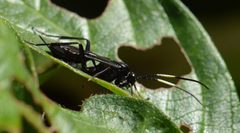
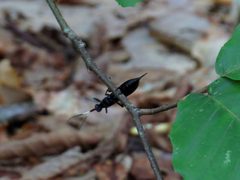
1Megaplectes is a of in the Ichneumonidae, first described by Förster in 1869. The genus is represented by at least one described , Megaplectes monticola, and is known from Europe and North America. Members of this genus are parasitoids, though specific associations remain poorly documented. The genus is relatively obscure with limited published biological information.
Pronunciation
How to pronounce Megaplectes: //ˌmɛɡəˈplɛk.tiːz//
These audio files are automatically generated. While they are not always 100% accurate, they are a good starting point.
Identification
Megaplectes can be distinguished from related ichneumonid by features of the mesosoma and metasoma structure, though precise diagnostic characters require examination. The genus is not readily identifiable without reference to taxonomic keys or . Separation from other Pimplinae or related genera depends on subtle morphological differences in wing venation and abdominal segmentation.
Images
Distribution
Europe (including Denmark, Norway, Sweden) and North America. GBIF records confirm presence in Scandinavia.
Ecological Role
in this likely function as agents by parasitizing other arthropods, though specific relationships and ecological impacts have not been documented.
Similar Taxa
- Other Ichneumonidae generaMegaplectes resembles numerous other ichneumonid in general body plan, requiring detailed morphological examination for accurate identification.
More Details
Taxonomic history
The was established by Förster in 1869. Only one , Megaplectes monticola (Gravenhorst, 1829), is currently recognized, though the genus may be under-collected and understudied.
Data gaps
Despite 54 iNaturalist observations, published biological and ecological data for Megaplectes remain sparse. records, preferences, and detailed are not well documented in accessible literature.