
Barylypa
Förster, 1869
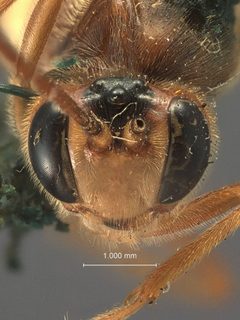
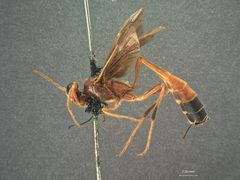
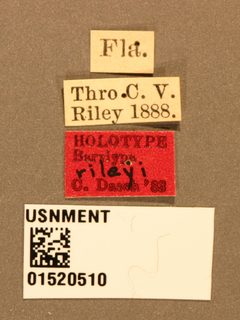
Barylypa is a of in the Ichneumonidae. have been documented in Europe, Northern America, and Egypt. The genus includes at least three described species: B. amabilis, B. andalusiaca, and B. rufa. Barylypa rufa has been recorded as a parasitoid of the fall armyworm (Spodoptera frugiperda), an economically significant agricultural pest.
Pronunciation
How to pronounce Barylypa: /bæˈrɪlɪpə/
These audio files are automatically generated. While they are not always 100% accurate, they are a good starting point.
Images
Habitat
Agricultural associated with lepidopteran . Specific habitat preferences for the remain poorly documented.
Distribution
Europe (including Denmark, Norway, Sweden), Northern America, and Egypt. Distribution is likely broader but undersampled.
Host Associations
- Spodoptera frugiperda - Barylypa rufa recorded as of fall armyworm larvae in Egypt
Life Cycle
development involving oviposition into larvae and subsequent development on or within the host. Specific details for the are not well documented.
Ecological Role
agent. Barylypa rufa contributes to natural suppression of Spodoptera frugiperda in agricultural systems.
Human Relevance
Potential significance for of agricultural pests, particularly the fall armyworm. No documented direct negative impacts on humans.
More Details
Taxonomic note
The was established by Förster in 1869. GBIF records indicate presence in Scandinavia, while recent literature documents expansion into North Africa.
Data limitations
Most biological and ecological information for this is inferred from single- studies (particularly B. rufa) or general ichneumonid . Genus-wide traits remain poorly characterized.