
Spilopteron
Townes, 1960
Species Guides
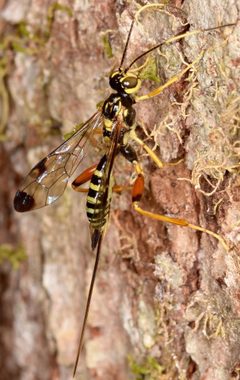
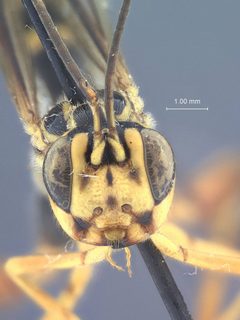
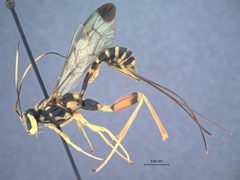
4Spilopteron is a of ichneumon wasps in the Ichneumonidae, described by Townes in 1960. These are part of the diverse wasp fauna. The genus has been documented in the northeastern United States, particularly Vermont. Little is known about the specific of most in this genus.
Pronunciation
How to pronounce Spilopteron: /ˌspɪ.lɒpˈtɛ.rɒn/
These audio files are automatically generated. While they are not always 100% accurate, they are a good starting point.
Identification
Members of Spilopteron can be recognized by characteristics typical of the Ichneumonidae , including long, multi-segmented and a slender body with a distinct constriction between the and . Specific diagnostic features for this require examination of wing venation and other detailed morphological characters. Identification to level generally requires knowledge and microscopic examination.
Images
Distribution
Documented from Vermont, United States, with broader distribution likely across parts of North America based on patterns. The has been recorded in the United States.
Ecological Role
As members of the Ichneumonidae , Spilopteron are presumed to function as , likely attacking other insects. The specific relationships for this remain poorly documented.
Similar Taxa
- Other Ichneumonidae generaMany ichneumonid share the general body plan of long , slender build, and similar size. Differentiation requires detailed morphological study of wing venation, ovipositor structure, and other technical characters.
More Details
Taxonomic history
The was established by Townes in 1960. It belongs to the large and taxonomically complex Ichneumonidae, which contains thousands of described with many remaining undescribed.
Data availability
The has 605 observations on iNaturalist, suggesting it is not rarely encountered, though specific biological information remains limited in publicly available sources.