Lasioglossum pectinatum
(Robertson, 1890)
ground cherry sweat bee
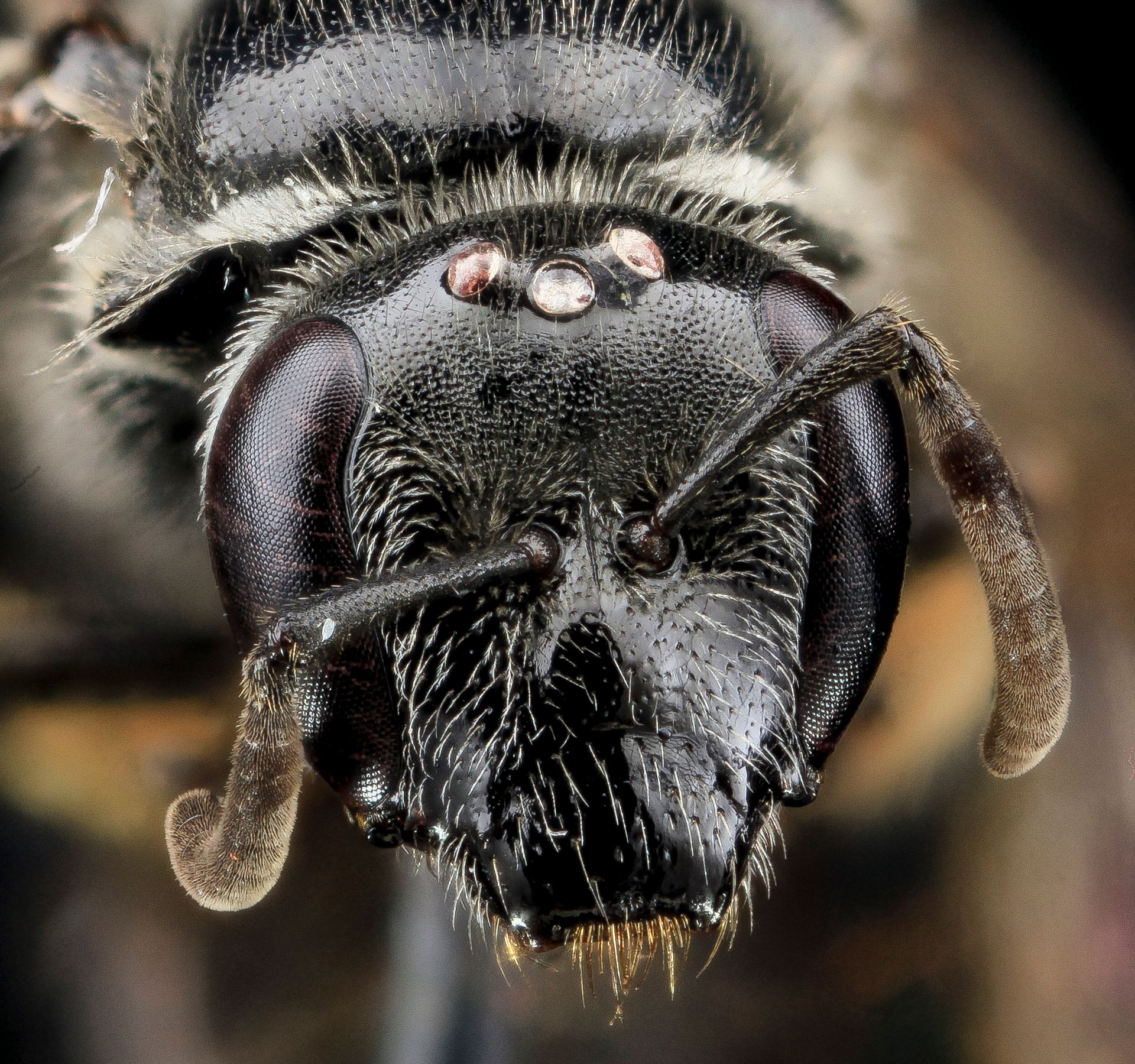
Lasioglossum pectinatum is a of sweat in the , commonly known as the ground cherry sweat bee. It belongs to the largest of bees, Lasioglossum, which contains over 1,700 species. Like other halictids, it is a ground-nesting bee and is attracted to human perspiration for the salts and minerals it contains. The species is documented in North America, with records from Vermont.


Pronunciation
How to pronounce Lasioglossum pectinatum: //ˌleɪsiˌoʊˈɡlɔsəm ˌpɛkˈtɪnætəm//
These audio files are automatically generated. While they are not always 100% accurate, they are a good starting point.
Images
Distribution
North America; specifically recorded from Vermont, United States.
Behavior
Has been observed approaching flowers of Prairie Clover (Dalea candida) alongside other Lasioglossum .
Human Relevance
Like other sweat , attracted to human perspiration for salts and minerals; generally harmless but females can if handled roughly.
Similar Taxa
- Other Lasioglossum speciesMembers of this are notoriously difficult to identify to level; L. pectinatum requires specialized taxonomic expertise to distinguish from .
- Halictus speciesAlso sweat in ; Halictus tend to be -sized with or blackish coloration and abdominal , whereas Lasioglossum vary more in size and coloration.
More Details
Taxonomic note
Lasioglossum is the largest of with over 1,700 , making species-level identification challenging without expert examination.
Research context
Lasioglossum are frequently captured in large numbers in bowl trap surveys, which has led to concerns about the representativeness of such sampling methods for diversity assessments.
Sources and further reading
- BugGuide
- Wikipedia
- GBIF taxonomy match
- iNaturalist taxon
- NCBI Taxonomy
- Catalogue of Life
- Just inTime for Pollinator Week | Bug Squad
- Bug Eric: Don't Sweat 'em
- Back-Seat Driver: The Parasite That Makes Bees Drop Off Its Babies
- Building a Better Bee Trap: Researchers Say Bee Bowls Are Overused
- Bug Eric: White Prairie Clover: An Awesome Blossom
- Not-so Solitary Bees - Buglife Blog - Buglife