
Lasioglossum nelumbonis
(Robertson, 1890)
water-lily sweat bee
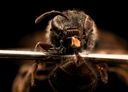
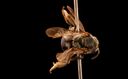
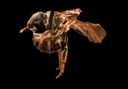
Lasioglossum nelumbonis is a small sweat bee in the Halictidae, commonly known as the water-lily sweat bee. It belongs to the largest of bees, with over 1,700 worldwide. Like other members of the genus, it is a ground-nesting . The specific epithet 'nelumbonis' suggests an association with water lilies (Nelumbo), though direct ecological documentation is limited.
Pronunciation
How to pronounce Lasioglossum nelumbonis: /ˌlæsi.oʊˈɡlɒsəm nəˌlʌmˈboʊnɪs/
These audio files are automatically generated. While they are not always 100% accurate, they are a good starting point.
Identification
As a member of the subgenus Dialictus within Lasioglossum, L. nelumbonis is likely a small, often metallic-colored sweat bee. in this subgenus are notoriously difficult to identify to species level without microscopic examination. Distinguishing features from similar would require examination of male genitalia, female facial markings, and other subtle morphological characters. It is not distinguishable from many other small Lasioglossum species based on field observation alone.
Images
Distribution
North America. Records indicate presence in Vermont, United States. The broader distribution within North America requires further documentation.
Diet
As a member of Halictidae, L. nelumbonis is a pollen and nectar feeder. Specific floral associations beyond the implied water lily connection are not documented.
Host Associations
- Nelumbo - implied floral associationThe specific epithet suggests a relationship with water lilies, though direct ecological documentation is lacking
Similar Taxa
- Lasioglossum (Dialictus) speciesMembers of this subgenus are morphologically similar and require expert identification; they share small size and often metallic coloration
- Other HalictidaeSmall size and general appearance overlap with other sweat bee such as Halictus and Agapostemon
More Details
Taxonomic note
The specific epithet 'nelumbonis' derives from Nelumbo, the of water lilies, suggesting a possible but unconfirmed ecological specialization. This naming convention implies historical collection or observation associated with aquatic environments, though modern documentation is sparse.
Identification challenges
Lasioglossum is the largest with over 1,700 . Species-level identification typically requires pinned specimens and microscopic examination by trained taxonomists. Bowl trap sampling methods frequently capture large numbers of Lasioglossum species that are difficult or impossible to identify in the field.
Sources and further reading
- BugGuide
- GBIF taxonomy match
- iNaturalist taxon
- NCBI Taxonomy
- Catalogue of Life
- Just inTime for Pollinator Week | Bug Squad
- Bug Eric: Don't Sweat 'em
- Back-Seat Driver: The Parasite That Makes Bees Drop Off Its Babies
- Building a Better Bee Trap: Researchers Say Bee Bowls Are Overused
- Bug Eric: White Prairie Clover: An Awesome Blossom
- Not-so Solitary Bees - Buglife Blog - Buglife