
Lasioglossum anomalum
(Robertson, 1892)
Anomalous Metallic Sweat Bee
Lasioglossum anomalum is a small sweat bee in the Halictidae, one of over 1,700 in the Lasioglossum. As with other members of this large genus, it is a ground-nesting solitary . The species occurs in North America, with confirmed records from Vermont and broader distribution across the continent. Like related Lasioglossum species, it likely exhibits metallic coloration typical of many halictid bees.
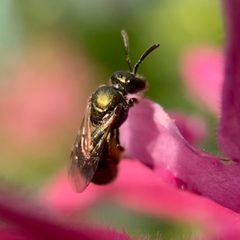
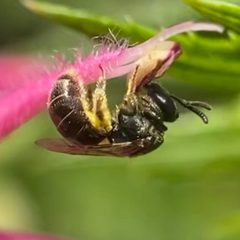
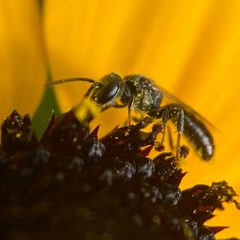
Pronunciation
How to pronounce Lasioglossum anomalum: /ˌlæsi.oʊˈɡlɒsəm əˈnɒmələm/
These audio files are automatically generated. While they are not always 100% accurate, they are a good starting point.
Images
Distribution
North America. Confirmed present in Vermont, United States. GBIF records indicate presence across North America.
More Details
Taxonomic note
Originally described as Halictus anomalus by Robertson in 1892, later transferred to Lasioglossum. The epithet 'anomalum' (meaning anomalous or abnormal) may refer to unusual morphological features distinguishing it from , though specific diagnostic characters are not documented in available sources.
Genus context
Lasioglossum is the largest of bees globally, with more than 1,700 described . Members are commonly known as sweat bees due to their attraction to human perspiration. The genus is frequently encountered in monitoring studies using bowl traps, where Lasioglossum species often dominate captures.
Sources and further reading
- BugGuide
- GBIF taxonomy match
- iNaturalist taxon
- NCBI Taxonomy
- Catalogue of Life
- Just inTime for Pollinator Week | Bug Squad
- Bug Eric: Don't Sweat 'em
- Back-Seat Driver: The Parasite That Makes Bees Drop Off Its Babies
- Building a Better Bee Trap: Researchers Say Bee Bowls Are Overused
- Bug Eric: White Prairie Clover: An Awesome Blossom
- Not-so Solitary Bees - Buglife Blog - Buglife