
Crematogaster atkinsoni
Wheeler, 1919
Crematogaster atkinsoni is a of in the tribe Crematogastrini, described by Wheeler in 1919. The Crematogaster, commonly known as acrobat ants, is characterized by a distinctive -shaped that can be raised over the when alarmed. Species in this genus are found across diverse worldwide and are known for their ecological interactions with other organisms, including as of spider sacs and as for myrmecophilous beetles.
Pronunciation
How to pronounce Crematogaster atkinsoni: //ˌkrɛmətoʊˈɡæstər ˌætkɪnˈsoʊni//
These audio files are automatically generated. While they are not always 100% accurate, they are a good starting point.
Identification
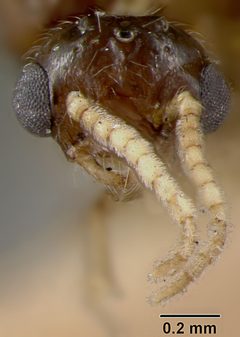
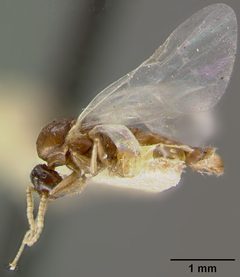
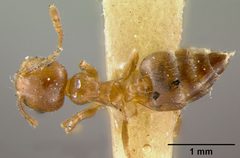
Members of the Crematogaster can be recognized by their -shaped (post-petiole) that is attached dorsally to the petiole, allowing the gaster to be raised and moved in a flexible manner. This distinctive abdominal structure separates them from most other genera. -level identification within Crematogaster requires examination of specific morphological characters including pilosity patterns, propodeal spine shape, and petiole structure.
Images
Sources and further reading
- BugGuide
- Wikipedia
- GBIF taxonomy match
- Meloidae Holdings | Entomology Research Museum
- Bug Eric: Wasp Wednesday: Polistes exclamans
- 52-million-year-old Beetle Fossil is Oldest Known Practitioner of Myrmecophily
- Bug Eric: Green Lynx Spider
- Bug Eric: Termite Swarms
- How Ants Do Battle: Toxic Sprays, Thick Armor, Overwhelming Numbers, and More