
Technomyrmex
Mayr, 1872
Pale-footed Ants and Allies
Species Guides
1- Technomyrmex difficilis(white-footed ant)
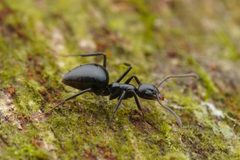
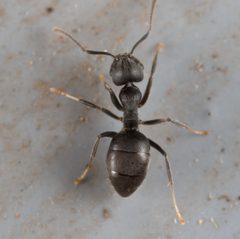
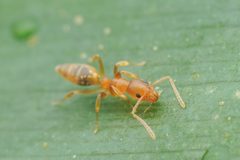
A large and diverse in the Dolichoderinae comprising 98 . The genus is distributed throughout tropical and subtropical zones, with highest diversity in the Oriental-Malesian and Afrotropical regions. Several species have become successful tramp ants spread globally by human activity, including T. albipes and T. difficilis, which are significant nuisance pests in Florida and other regions. The genus exhibits arboreal and ground-nesting habits, with many species tending honeydew-producing hemipterans.
Pronunciation
How to pronounce Technomyrmex: /tɛknoˈmɪrmɛks/
These audio files are automatically generated. While they are not always 100% accurate, they are a good starting point.
Identification
lack a metanotal groove (a characteristic feature of the Dolichoderinae). The can be distinguished from related dolichoderine genera by specific combinations of morphological characters including palp formula, mesosomal structure, and petiolar node shape. -level identification requires examination of fine morphological details and is challenging due to taxonomic complexity; illustrated keys are available for regional faunas such as the Arabian Peninsula.
Images
Habitat
Arboreal or subarboreal; nests occur in and beneath fallen wood and rocks, in tree trunks, in leaf litter, in twigs, on forest floor, on low vegetation, and extending into . Some nest directly in ground. Collected using beating sheets, sifting trays, pitfall traps, hand collecting, and light traps.
Distribution
Native range encompasses tropical and subtropical zones worldwide, with centers of diversity in the Oriental-Malesian and Afrotropical regions. Several have become introduced tramp ants with global distributions: T. albipes is widespread throughout the tropics due to human activities; T. difficilis occurs in Florida (first reported 1991), Texas, and has been recorded from Saudi Arabia and Yemen (first Palearctic records); T. brunneus is undergoing ongoing invasion in eastern Asia including Japan, with native in eastern and south-eastern Asia.
Diet
Honeydew produced by a wide range of hemipterans (sap-sucking insects); some considered generalized foragers. T. albipes specifically feeds on honeydew of broad range of sap-sucking attended hemipterans including mealybug of pineapple wilt . T. difficilis tends pest insects including aphids and , causing agricultural losses.
Human Relevance
Several are significant nuisance pests and agricultural pests. T. albipes and T. difficilis are major pest ants in Florida, with pest control companies, media, and homeowners seeking control information from universities and government agencies. T. difficilis outcompetes native ants and causes agricultural losses by tending pest insects. T. brunneus is a problematic invader in Japan with range expansions documented in recent decades. The spread of these species is facilitated by human commerce and transport.
Sources and further reading
- BugGuide
- Wikipedia
- GBIF taxonomy match
- iNaturalist taxon
- NCBI Taxonomy
- Catalogue of Life
- During Quarantine, an Entomologist Takes a Closer Look at a New Invasive Ant Species
- White-Footed Ant, Technomyrmex albipes (Fr. Smith) (Insecta: Hymenoptera: Formicidae: Dolichoderinae)
- Review of the ant genus Technomyrmex Mayr, 1872 in the Arabian Peninsula (Hymenoptera, Formicidae)
- Widespread and ongoing invasion by the ant Technomyrmex brunneus Forel in eastern Asia as elucidated by molecular data
- Colony and population genetic structure of the newly invasive white‐footed ant ( Technomyrmex difficilis ) in the United States