
Miota
Förster, 1856
Miota is a of small in the Diapriidae. These insects are part of the diverse Hymenoptera fauna associated with decomposition and nutrient cycling. The genus was described by Förster in 1856. in this genus are poorly known, with limited published biological information available.
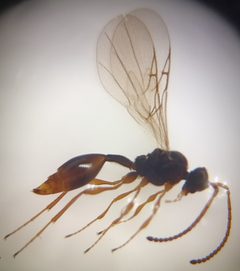
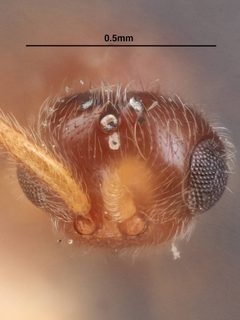
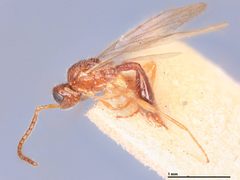
Pronunciation
How to pronounce Miota: /miːˈoʊtə/
These audio files are automatically generated. While they are not always 100% accurate, they are a good starting point.
Identification
Miota are minute , generally under 5 mm in length. Diapriidae are characterized by a distinct petiole (narrow waist), reduced wing venation with few closed , and often reduced wing size in females. Miota may be distinguished from related diapriid by subtle differences in antennal structure and wing venation, though definitive identification requires examination and comparison with .
Images
Habitat
in the Diapriidae are typically associated with decaying organic matter, including rotting wood, leaf litter, and compost. Miota has been recorded from forested and wooded in northern Europe.
Distribution
Documented from Denmark, Norway, and Sweden based on occurrence records. The likely has a broader Palearctic distribution, though comprehensive surveys are lacking.
Ecological Role
As members of Diapriidae, Miota likely function as of Diptera larvae, particularly those developing in decaying organic substrates. This contributes to of fly species and nutrient cycling in decomposition systems.
Human Relevance
No direct economic or medical significance. The is of interest to hymenopteran systematists and biodiversity researchers.
Similar Taxa
- Blenina miotaThis is a (Lepidoptera: Nolidae) with the species epithet 'miota', entirely unrelated to the Miota. The shared epithet creates potential nomenclatural confusion.
- Other Diapriidae generaNumerous small diapriid share the general habitus of Miota. Separation requires detailed examination of antennal segmentation, wing venation patterns, and genitalic structures.
More Details
Nomenclatural note
The name 'Miota' applies to two completely unrelated : the hymenopteran Miota Förster, 1856 ( Diapriidae), and the epithet 'miota' in the Blenina miota Hampson, 1905 (family Nolidae). These should not be conflated.
Taxonomic status
Miota is currently treated as a valid in Diapriidae, though the -level classification of small remains under active revision. The genus contains relatively few described .