
Diastrophus cuscutaeformis
blackberry seed gall wasp
Diastrophus cuscutaeformis is a gall wasp in the Cynipidae that induces seed galls on Rubus , particularly blackberries. The species is well-documented through iNaturalist observations, with 867 records contributing to its known distribution and . As a cynipid , it has a complex involving alternation between sexual and , though specific details for this species remain incompletely described in published literature.

Pronunciation
How to pronounce Diastrophus cuscutaeformis: //daɪˈæstrəfəs kʌsˌkjuːteɪˈfɔːrmɪs//
These audio files are automatically generated. While they are not always 100% accurate, they are a good starting point.
Identification
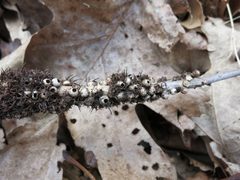
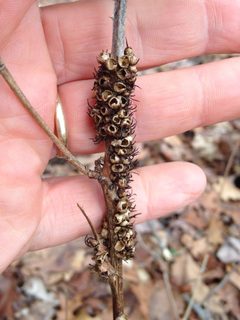
The is identified by the distinctive seed galls it induces on blackberry fruits—irregular, tumor-like swellings that replace individual drupelets within the aggregate fruit. are minute, approximately 2–3 mm in length, with reduced wing venation characteristic of the Diastrophus. Distinguishing D. cuscutaeformis from requires examination of gall and association; D. nebulosus produces superficially similar galls but on different Rubus species and with subtle gall structural differences.
Images
Habitat
Associated with supporting Rubus , particularly blackberry brambles in open woodlands, forest edges, meadows, and disturbed areas. Thrives in temperate regions where plants are abundant.
Distribution
Documented across temperate North America, with iNaturalist observations concentrated in the eastern United States and southern Canada. Range corresponds broadly with native and naturalized Rubus .
Seasonality
coincides with blackberry flowering and fruit development, primarily late spring through mid-summer (May–July in northern temperate regions). Gall formation becomes visible as fruits mature.
Host Associations
- Rubus - plantinduces seed galls on blackberry fruits
Life Cycle
between sexual and parthenogenetic forms, as characteristic of Cynipidae. Sexual induces galls on flower ovules; generation details less documented. Specific tied to plant reproductive cycle.
Ecological Role
Acts as a herbivore that manipulates plant reproductive tissue. Galls may reduce seed viability and fruit quality, potentially affecting seed and plant recruitment. Serves as host for and within the gall .
Human Relevance
Minor agricultural pest in commercial blackberry and raspberry operations, where heavy reduce fruit marketability. No direct medical or economic significance beyond horticultural context.
Similar Taxa
- Diastrophus nebulosusProduces morphologically similar seed galls on Rubus; distinguished by preference and subtle gall structure
- Diastrophus bassettiAnother Rubus-associated Diastrophus; gall position and differentiate the two
More Details
Gall morphology
Galls induced by D. cuscutaeformis are fleshy, irregular swellings that replace individual drupelets within the blackberry aggregate fruit. Unlike stem or leaf galls produced by many cynipids, these seed galls are enclosed within the fruit tissue and become apparent only when fruits are examined closely or sliced open.
Taxonomic history
The epithet 'cuscutaeformis' refers to the gall's resemblance to dodder (Cuscuta), a parasitic plant with twining, thread-like stems—an allusion to the gall's contorted appearance within the fruit.