
Liposthenes
Förster, 1869
Species Guides
1- Liposthenes glechomae(Glechoma gall wasp)
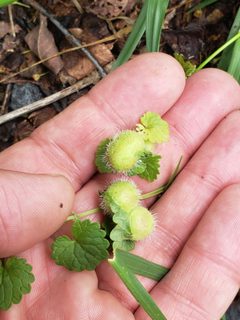
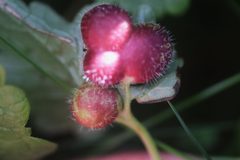
Liposthenes is a of gall wasps in the Cynipidae, established by Förster in 1869. The genus contains at least two described : Liposthenes glechomae and Liposthenes kerneri. These induce gall formation on plants in the genus Glechoma, commonly known as ground-ivy or gill-over-the-ground. Research on Liposthenes glechomae has contributed to understanding gall induction mechanisms in cynipid wasps.
Pronunciation
How to pronounce Liposthenes: /lɪˈpɒsθəniːz/
These audio files are automatically generated. While they are not always 100% accurate, they are a good starting point.
Identification
Liposthenes are distinguished from other cynipid gall wasps by their association with Glechoma plants rather than oaks, roses, or other common cynipid hosts. The is placed in the tribe Aylacini, which includes herb-galling cynipids rather than the more species-rich oak-galling lineages. Specific morphological characters distinguishing Liposthenes from related herb-galling genera are not documented in available sources.
Images
Habitat
Associated with supporting plants in the Glechoma, which includes shaded, moist areas such as woodland edges, hedgerows, and disturbed ground in temperate regions.
Distribution
Records from Denmark, Norway, Sweden, and Vermont (United States). Distribution likely corresponds to range of plants in Glechoma in temperate regions of Europe and North America.
Host Associations
- Glechoma - gall formation of plants on which Liposthenes induces galls; includes Glechoma hederacea (ground-ivy)
Life Cycle
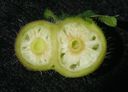
Development occurs within plant galls. In Liposthenes glechomae, surgical removal of larvae caused gall growth to stop, indicating that continued larval presence is necessary for gall maintenance.
Behavior
Females induce gall formation on Glechoma plants through substances introduced during laying. The mechanism involves compounds that stimulate abnormal plant growth to create protective enclosures for developing offspring.
Ecological Role
Acts as a gall inducer on Glechoma plants, creating specialized plant structures that provide food and shelter for larval development. The ecological impacts of these galls on plant and broader interactions are not documented.
Similar Taxa
- Other Cynipidae (oak gallers, rose gallers)Liposthenes is distinguished by galling herbs in the mint (Glechoma) rather than oaks (Quercus), roses (Rosa), or other woody plants. Oak and rose gallers belong to different lineages within Cynipidae and typically have different associations.
- Other AylaciniRelated herb-galling cynipids in the same tribe, though specific diagnostic features separating Liposthenes from other Aylacini are not available in sources.
More Details
Gall induction research
Liposthenes glechomae was used in a key study demonstrating that larval presence is required for gall maintenance: surgical removal of larvae caused gall growth to cease. This contrasts with some other cynipid where gall initiation occurs before hatch, indicating maternal secretions alone can trigger gall formation.
Venom gland anatomy
As gall-inducing Cynipidae, Liposthenes possess enlarged venom glands relative to non-gall-inducing cynipids, implicating venom compounds in the gall induction process. The specific venom composition and active compounds in Liposthenes remain uncharacterized.