
Plutothrix
Förster, 1856
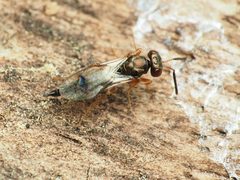
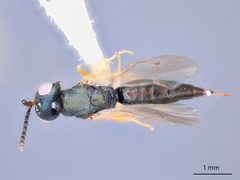
Plutothrix is a of chalcid wasps in the Pteromalidae, tribe Trigonoderini. These small are part of the diverse Chalcidoidea superfamily. The genus was established by Arnold Förster in 1856. Members of this genus are known from Europe, with records from Denmark and Spain.

Pronunciation
How to pronounce Plutothrix: /pluːˈtoʊθrɪks/
These audio files are automatically generated. While they are not always 100% accurate, they are a good starting point.
Identification
Plutothrix can be distinguished from related in Trigonoderini by a combination of morphological characters including the structure of the and the form of the propodeum. Specific identification requires examination of microscopic features such as the arrangement of setae on the mesoscutum and the shape of the hind .
Images
Distribution
Europe: recorded from Denmark (DK) and Spain (ES).
Ecological Role
As members of Pteromalidae, in this likely function as of other insects, though specific relationships for Plutothrix remain poorly documented.
Similar Taxa
- TrigonoderusAlso in tribe Trigonoderini; differs in antennal club structure and propodeal patterns.
- PteromalusIn same Pteromalidae but different tribe; generally larger with different mesosomal proportions.
More Details
Taxonomic history
The Plutothrix was established by Arnold Förster in 1856 within the Pteromalidae. It has been maintained as a valid genus in modern classifications, placed in the Trigonoderinae and tribe Trigonoderini.
Data limitations
This is poorly represented in public biodiversity databases, with only 60 observations on iNaturalist and limited published biological information. Most -level and natural history remain undocumented in accessible sources.