
Ogloblinisca
Hedqvist, 1968
Species Guides
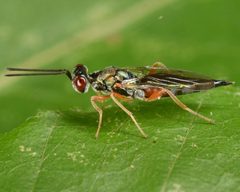
1Ogloblinisca is a of chalcidoid wasps in the Pteromalidae, described by Hedqvist in 1968. It belongs to the Trigonoderinae and tribe Trigonoderini. Members of this genus are , though specific associations remain poorly documented. The genus is rarely encountered, with only a handful of observations recorded in biodiversity databases.
Pronunciation
How to pronounce Ogloblinisca: /ɔːˈɡloʊblɪˌnɪska/
These audio files are automatically generated. While they are not always 100% accurate, they are a good starting point.
Identification
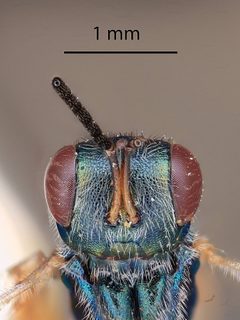
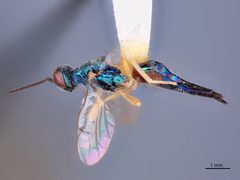
Ogloblinisca can be distinguished from related trigonoderine by features of the mesosoma and metasoma structure, though specific diagnostic characters require examination of . The genus is morphologically similar to other Trigonoderini, and definitive identification often requires microscopic analysis of antennal segmentation, propodeal , and ovipositor proportions.
Images
Distribution
The has been recorded from the Palearctic region, with specific localities including Sweden (type locality) and potentially other parts of Europe. Distribution data are sparse due to limited collecting effort and taxonomic study.
Ecological Role
As members of Pteromalidae, in this likely function as of other insects, though specific records are not published. They presumably contribute to of their unknown hosts.
Similar Taxa
- TrigonoderusBoth belong to Trigonoderini and share general body plan; Ogloblinisca differs in details of antennal club and propodeal structure
- CecidostibaAnother trigonoderine with superficial similarity; Ogloblinisca is distinguished by metasomal petiole proportions and female with fewer segments
More Details
Taxonomic history
The was established by Swedish entomologist Karl-Johan Hedqvist in 1968 based on material from Sweden. It remains one of the lesser-known genera in Trigonoderinae, with no subsequent comprehensive revision.
Data limitations
Only 3 observations are recorded in iNaturalist, and the lacks entries in major genomic databases. -level within Ogloblinisca is unresolved, with the original description potentially encompassing a single species or multiple cryptic species.