
Cratomus
Dalman, 1820
Species Guides
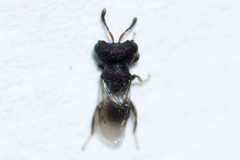
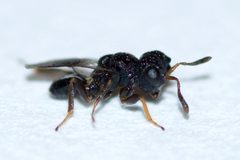
1Cratomus is a of in the Pteromalidae, first described by Dalman in 1820. Members of this genus are small chalcidoid wasps that develop as parasitoids of other insects. The genus is part of the diverse Pteromalinae , which contains numerous associated with various insects. Cratomus species are known from parts of Europe including Denmark and Sweden.
Pronunciation
How to pronounce Cratomus: /ˈkra.tɔ.mus/
These audio files are automatically generated. While they are not always 100% accurate, they are a good starting point.
Identification
Cratomus can be distinguished from other Pteromalidae by features of the and mesosoma structure, though precise diagnostic characters require examination of . Members of the genus typically show the reduced wing venation characteristic of Chalcidoidea, with relatively short antennae bearing distinct funicular segments. Separation from closely related genera in Pteromalini requires detailed morphological study.
Images
Distribution
Recorded from Denmark and Sweden in Europe. Distribution records are sparse, reflecting limited sampling effort for this small of .
Ecological Role
in Pteromalidae function as agents of various insect . Cratomus likely contribute to regulation of their unknown species in natural .
Similar Taxa
- Other Pteromalini generaMany in the tribe Pteromalini share similar body plans and reduced wing venation; definitive identification requires examination of specific antennal and mesosomal characters.
More Details
Taxonomic history
Cratomus was established by Dalman in 1820, making it one of the earlier described in Pteromalidae. The genus has received limited modern taxonomic revision.
Data limitations
This is poorly represented in public databases, with only 121 iNaturalist observations and minimal published biological information. Most aspects of its remain undocumented.