
Ceratina cockerelli
H. S. Smith, 1907
Cockerell's ceratina
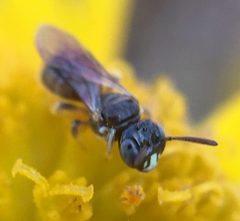
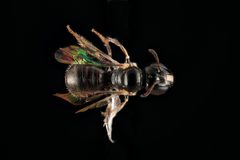
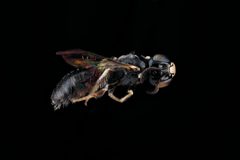
Ceratina cockerelli is a small carpenter bee in the Apidae, described by H. S. Smith in 1907. Like other members of the Ceratina, it is a solitary that nests in preexisting cavities such as hollow plant stems. The occurs in the Caribbean and North America, where it contributes to wild bee diversity and pollination services. It is one of many Ceratina species that collectively represent important in various .
Pronunciation
How to pronounce Ceratina cockerelli: //ˌserəˈtiːnə ˌkɒkəˈrɛlaɪ//
These audio files are automatically generated. While they are not always 100% accurate, they are a good starting point.
Images
Distribution
Found in the Caribbean Sea region and North America. Distribution records indicate presence in the Caribbean and North America, though specific country or island records are not detailed in available sources.
Diet
As a member of the Ceratina, this is a that forages on floral resources. A study on flower patch found that Ceratina bees showed variable preferences depending on flower species, visiting isolated flowers more often or showing no preference for patch density when foraging on Penstemon digitalis or Monarda fistulosa, but preferring denser patches when visiting Eryngium yuccifolium.
Ecological Role
Contributes to wild diversity and pollination services. As part of the Ceratina , this is among the wild bees that provide crop pollination services, though specific quantitative contributions of C. cockerelli relative to other Ceratina species have not been documented. The genus Ceratina has been identified as part of the wild bee that supports functioning and stability.
Similar Taxa
- Ceratina (other species)Ceratina cockerelli is one of many small carpenter bee in the . Differentiation from requires examination of morphological characters such as facial markings, body size, and genitalic structures, which are not detailed in available sources for this species.
More Details
Taxonomic note
The was named by H. S. Smith in 1907, presumably honoring Theodore Dru Alison Cockerell, a prominent American entomologist known for his extensive work on bees and other insects.