
Hexepeolini
Genus Guides
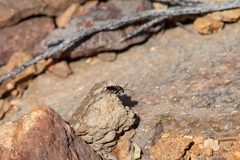
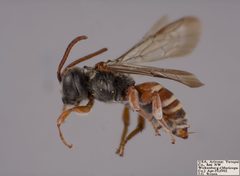
1Hexepeolini is a tribe of cuckoo bees within the Nomadinae ( Apidae). The tribe contains a single , Hexepeolus, which in turn contains only one , Hexepeolus rhodogyne. As cuckoo bees, members of this tribe are that do not construct nests or collect pollen. The extreme rarity of this tribe—represented by only two observations on iNaturalist—reflects its narrow geographic distribution and specialized ecological requirements.
Pronunciation
How to pronounce Hexepeolini: /hɛks.ɛ.pɛ.oʊˈliː.naɪ/
These audio files are automatically generated. While they are not always 100% accurate, they are a good starting point.
Identification
The tribe can be recognized by its status within Nomadinae and its association with the Hexepeolus. Identification to tribe level requires recognizing the genus Hexepeolus, which exhibits characteristic features of cuckoo bees in the Nomadinae. Distinguishing Hexepeolini from other Nomadinae tribes requires examination of generic-level characters, as the tribe is defined by its single included genus.
Images
Distribution
The single Hexepeolus rhodogyne has been recorded from southern Africa, specifically from Namibia and South Africa. The tribe's distribution is thus restricted to this region.
Host Associations
- Hexepeolus rhodogyne - Specific (s) unknown; as a cuckoo bee in Nomadinae, likely parasitizes nests of other Apidae, possibly ground-nesting bees
Similar Taxa
- Nomadinae (subfamily)Hexepeolini is nested within Nomadinae; other tribes in this (e.g., Nomadini, Epeolini, Isepeolini) contain multiple and are more -rich, whereas Hexepeolini is distinguished by its composition
More Details
Taxonomic significance
Hexepeolini represents one of the most -poor lineages in Apidae, with only a single and single species. This extreme rarity makes it significant for studies of diversification and conservation, though basic remains poorly known due to scarcity of specimens.